A Sweet Sticky Memory
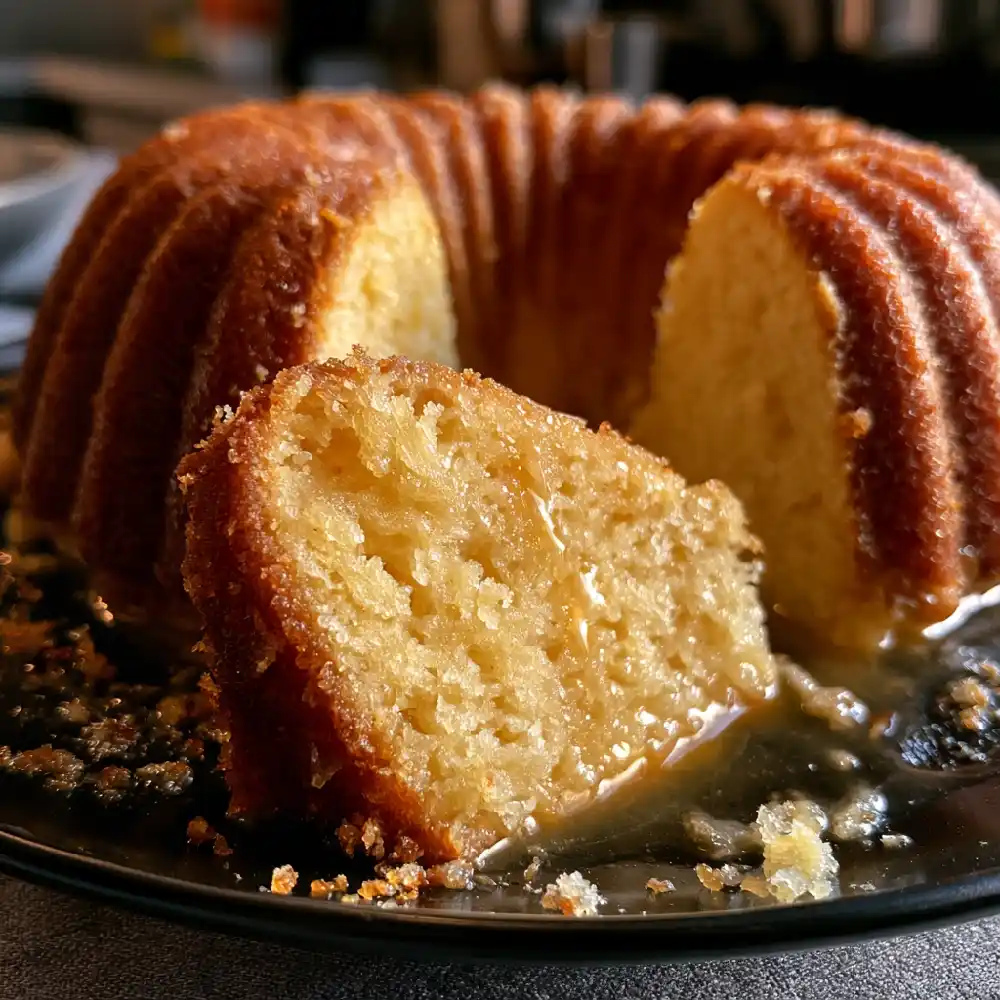
I will always cherish the memories of my grandmother’s kitchen, where she would brush warm cakes with a sticky vanilla syrup until they glistened in the afternoon light.
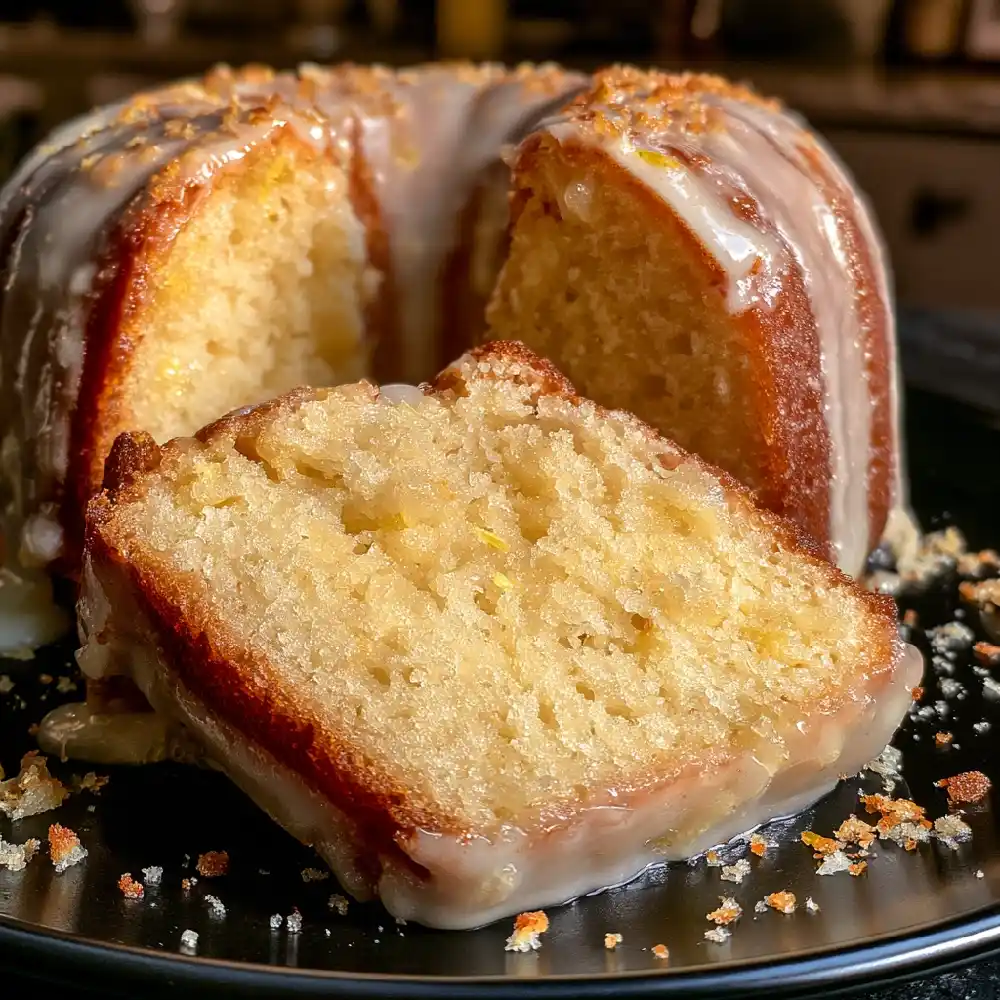
If you love a dessert that is incredibly moist, deeply aromatic, and coated in a glorious sticky-sweet finish, this bake is meant for you. If you want to read more about the family traditions that shape my baking, you can learn all about DanyRecipes.
Why This Sticky Vanilla Bake Is a Must-Try
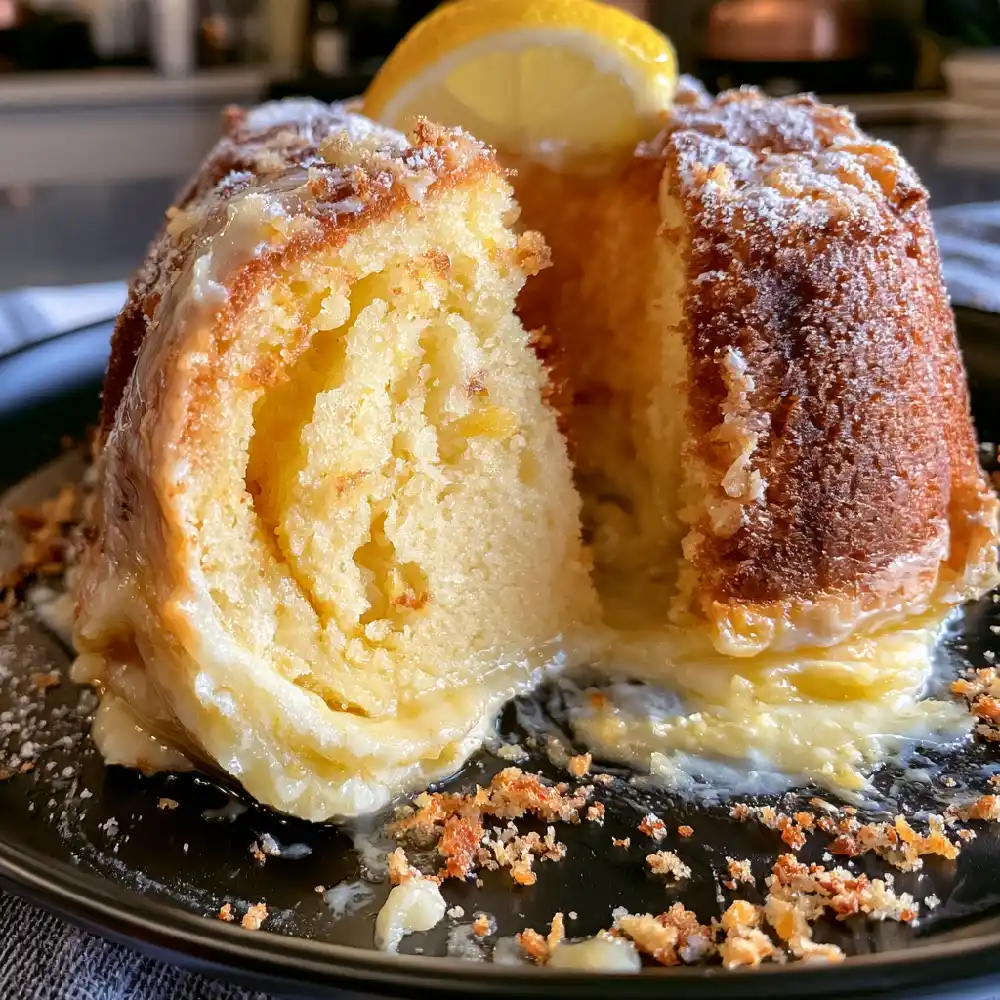
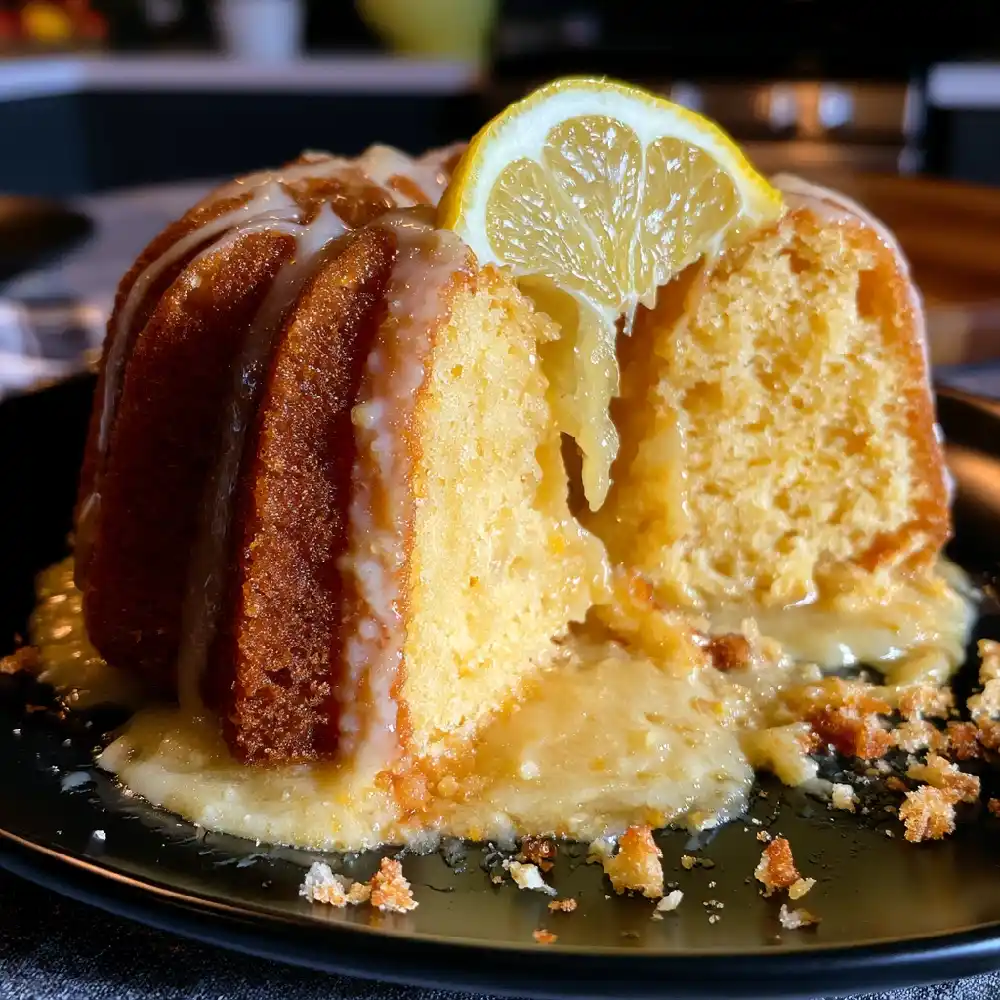
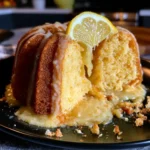
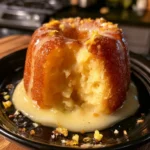
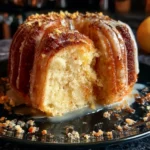
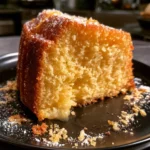
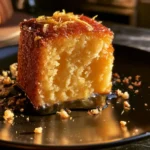
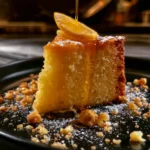
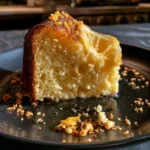
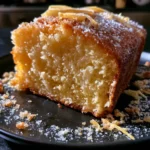
Finding that perfect balance between bright citrus and warm vanilla is the secret to creating truly unforgettable lemon desserts. Making this vanilla-infused lemon pound cake from scratch involves a special technique: poking holes in the warm crust and drenching it in a sticky glaze so every single bite is packed with sweet moisture. The sticky exterior locks in the freshness, giving you a dense, buttery crumb that tastes even better on the second day.
The Fragrant Vanilla and Lemon Pantry
- Unsalted Butter (1 cup, softened): Provides the necessary rich, buttery structure for the heavy cake crumb.
- Granulated Sugar (2 cups): Needed for sweetness and to help build the volume during the creaming process.
- Eggs (4 large, room temperature): Binds the batter together and provides lift for a tender texture.
- All-Purpose Flour (3 cups): Gives the cake the perfect density to soak up all that sticky glaze.
- Baking Soda (1/2 teaspoon): Works with the acidic buttermilk to create a soft, gentle rise.
- Buttermilk (1 cup, room temperature): Adds incredible moisture and a subtle tang that enhances the citrus.
- Vanilla Bean Paste (1 tablespoon): Adds deep, authentic vanilla flavor and beautiful little black specks to the crumb.
- Fresh Lemon Zest (3 tablespoons): Provides the sharp, bright contrast to the warm, sweet vanilla notes.
- For the Sticky Glaze: You will need 1 cup of powdered sugar, 1/4 cup of fresh lemon juice, and 1 teaspoon of vanilla extract.
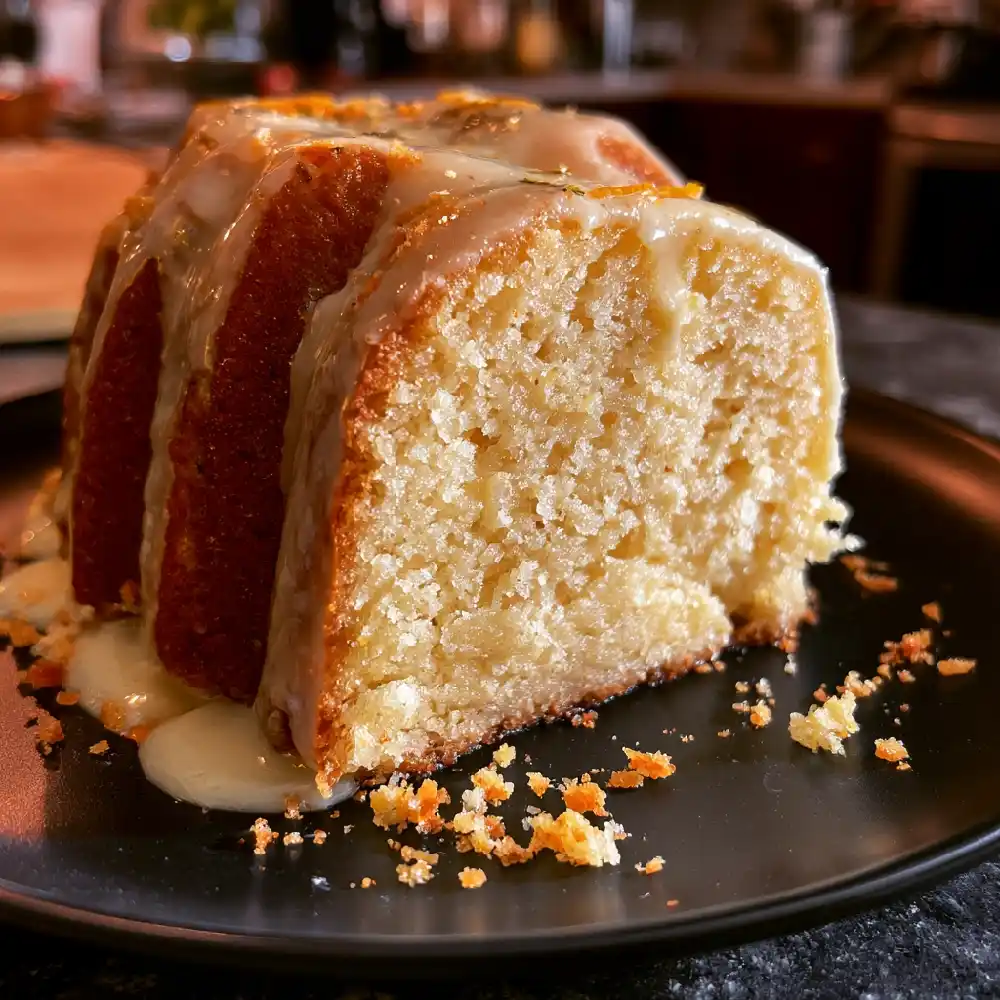
Whisking Up the Sticky Magic
- STEP 1Preheat your oven to 325°F (165°C) and heavily grease a 10-inch Bundt pan to ensure the sticky cake will release perfectly after soaking.
- STEP 2In a large bowl, cream the softened butter and granulated sugar together until pale and fluffy, then beat in the room temperature eggs one at a time.
- STEP 3Whisk the vanilla bean paste and fresh lemon zest into the wet ingredients until the batter is fragrant and speckled with vanilla.
- STEP 4Add the flour and baking soda to the batter alternately with the buttermilk, mixing gently on low speed just until the dry streaks vanish completely.
- STEP 5Bake the cake for 60 to 70 minutes until a skewer comes out clean, then let it cool in the pan for exactly ten minutes.
- STEP 6While the cake cools, whisk the powdered sugar, lemon juice, and vanilla extract together; invert the cake, poke holes all over the top, and slowly brush the glaze over the warm crust until it becomes incredibly sticky.
Sweet Additions and Serving Ideas
- The Double Glaze: Once the sticky syrup sets, add a secondary, thicker powdered sugar drizzle to create an incredibly decadent lemon pound cake with glaze.
- Toasted Coconut: Sprinkle lightly toasted coconut flakes over the sticky glaze before it fully sets for a tropical twist.
- Crunchy Bites: Slice any leftovers into cubes and bake them on low heat to make sticky, crunchy lemon pound cake cookies for your morning tea.
- A Perfect Addition: This unique vanilla variation is a must-have addition to your personal collection of favorite Lemon Pound Cake Recipes.
Pro Tips
- Using vanilla bean paste instead of standard extract gives the cake a much richer, authentic flavor and a beautiful speckled appearance.
- Make sure you poke the holes into the cake while it is still very warm so it drinks up the sticky syrup immediately.
- Use a silicone pastry brush to gently paint the glaze over the crust rather than pouring it, ensuring an even, sticky coating on every side.
- Wait at least two hours before slicing the cake, giving the sticky vanilla syrup enough time to fully permeate the crumb and set up properly.
- If you do not have buttermilk, you can substitute a cup of plain, full-fat kefir for the exact same moisture and tangy flavor profile.
Sticky Vanilla Lemon Pound Cake
Ingredients
Equipment
Method
- Preheat the oven to 325°F (165°C). Thoroughly grease a 10-inch Bundt pan with shortening or softened butter, making sure to coat every crevice, then dust with flour and tap out the excess.
- In a large mixing bowl, cream the softened butter and granulated sugar together until pale, light, and fluffy.
- Beat in the room-temperature eggs one at a time, mixing well after each addition.
- Mix the vanilla bean paste and fresh lemon zest into the wet ingredients until evenly distributed and fragrant.
- In a separate bowl, whisk together the all-purpose flour and baking soda. Add the dry ingredients to the butter mixture alternately with the buttermilk, beginning and ending with the flour mixture. Mix gently on low speed just until the dry streaks disappear. Do not overmix.
- Pour the batter into the prepared Bundt pan and smooth the surface. Bake for 60–70 minutes, or until a skewer inserted into the center comes out clean.
- Remove the cake from the oven and let it cool in the pan for exactly 10 minutes. Meanwhile, whisk together the powdered sugar, fresh lemon juice, and vanilla extract until smooth and pourable.
- Carefully invert the warm cake onto a serving plate or cooling rack. Using a skewer, poke shallow holes about 1/4 inch deep across the top crust. Slowly brush the sticky vanilla lemon glaze over the warm cake, allowing it to soak into the holes and coat the surface evenly.
- Allow the cake to rest for at least 2 hours so the glaze can permeate the crumb and set. Slice and serve once the sticky coating has settled.
Notes
FAQs
Can I use regular vanilla extract instead of vanilla bean paste? Yes, you can substitute an equal amount of pure vanilla extract if you do not have the paste. However, you will miss out on the deep flavor and the beautiful visual of the vanilla bean specks in the cake.
Why is my cake sinking after I poured the glaze on it? If your cake sank after glazing, it likely means you poked the holes too deep or the cake was underbaked in the center. Only poke the holes about a quarter inch deep into the crust.
How do I store this sticky cake? Because the outside is so sticky, it is best to store this cake under a large glass dome at room temperature. Wrapping it in plastic wrap will peel the beautiful sticky crust right off when you unwrap it.
Can I freeze this cake after I glaze it? It is not recommended to freeze the cake after applying the sticky syrup, as the freezing and thawing process will make the crust soggy rather than sticky. Freeze the unglazed cake instead.
How do I stop my Bundt cake from sticking to the pan? Take your time greasing the pan thoroughly with a solid fat like shortening or softened butter, making sure to get into every single crevice, then dust it completely with flour before adding the batter.
Savoring the Sticky Sweetness
There is something so deeply comforting about a cake that leaves your fingers just a little bit sticky with sweet vanilla and bright lemon. This beautiful bake combines the best of both flavor worlds and always disappears quickly whenever I serve it to family. Pour yourself a hot cup of tea, grab a generous slice, and enjoy the sticky, sweet magic!