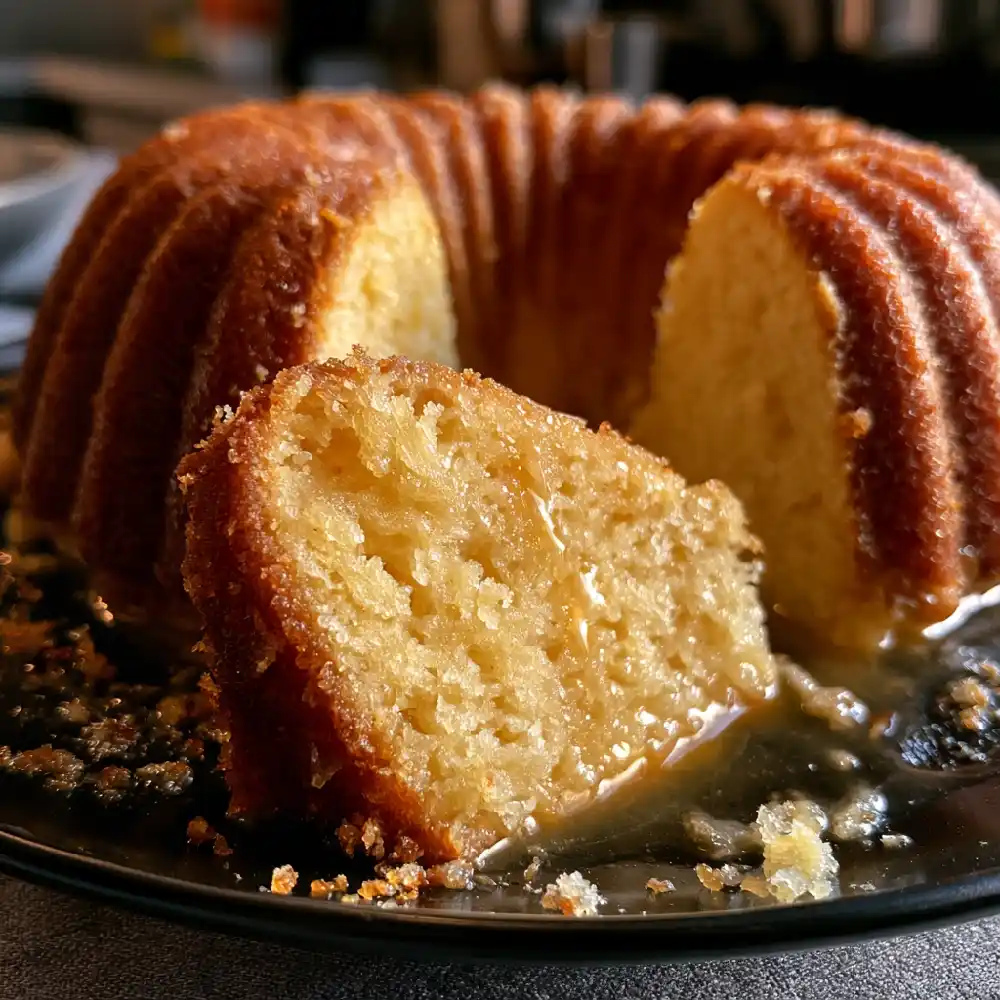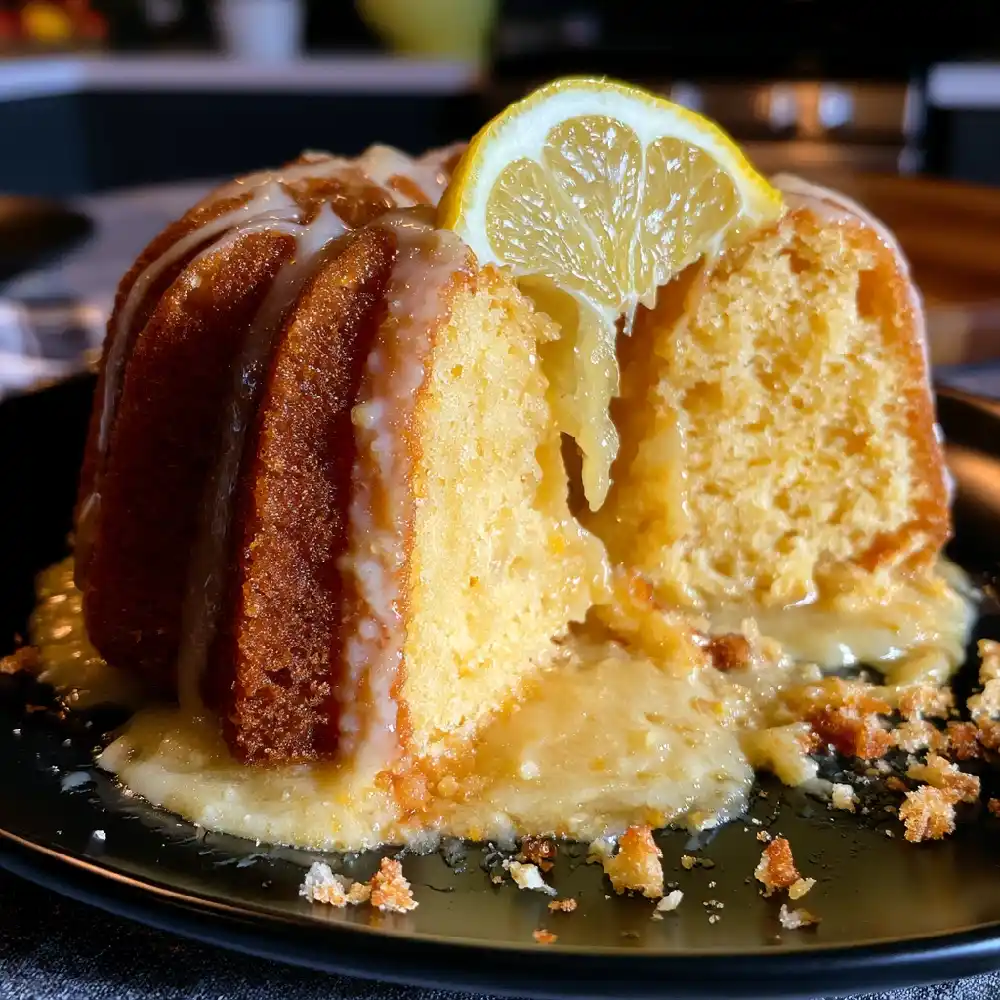
A Velvet Citrus Bite
I spent weeks adjusting the ratios of this recipe just to capture that specific, velvet-like texture of a rich cake crumb dissolving instantly on the tongue. If you love baked goods that require absolutely no chewing and simply melt away into a pool of sweet, buttery citrus, this is going to be your ultimate treat.
To learn more about how we test and refine these incredibly specific textures, you can read about DanyRecipes.
Why These Melting Bites Stand Alone
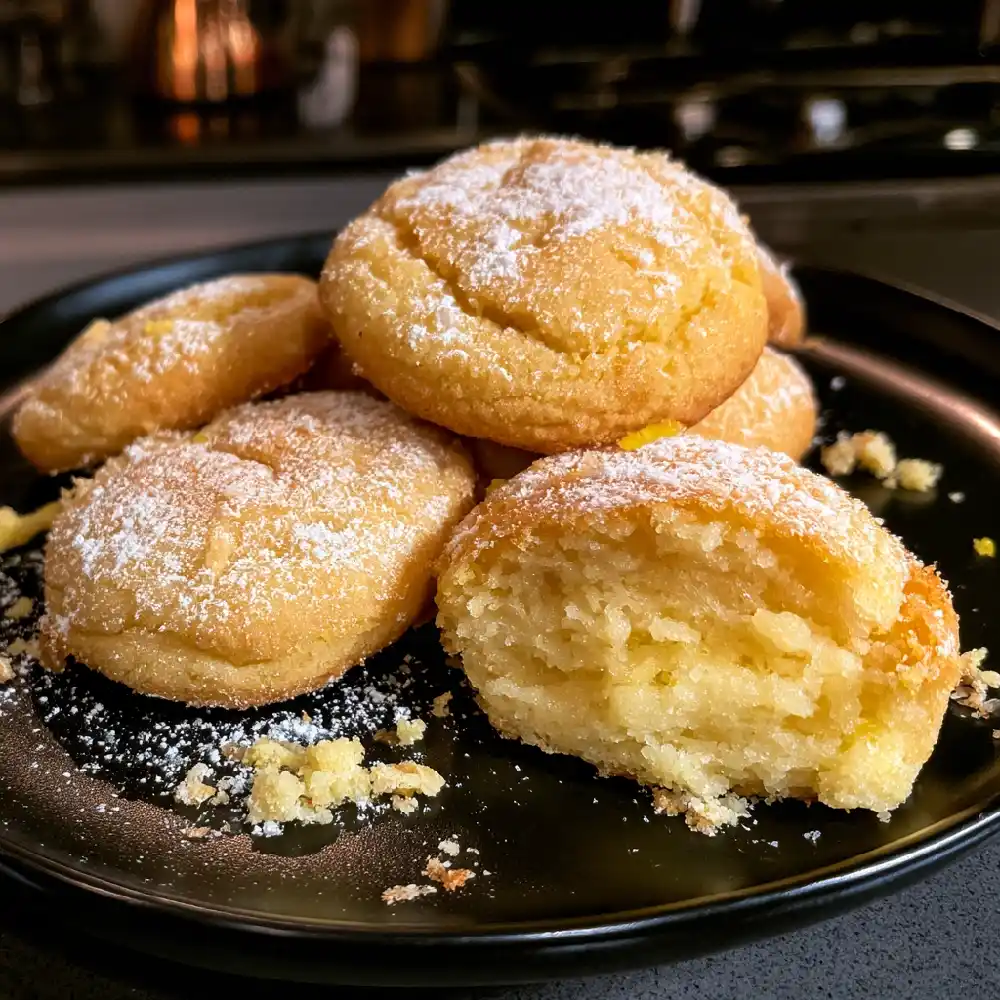
Finding the perfect texture among lemon desserts can be tricky, but these unique cookies manage to mimic the ultra-fine crumb of a high-end cake. Creating these melt-in-your-mouth lemon pound cake cookies involves a secret ingredient: cornstarch. By replacing some of the standard flour with cornstarch, you inhibit gluten development, resulting in a cookie that is structurally sound but practically dissolves the second you take a bite, giving you the sensation of eating a slice of rich cake without the heaviness.
The Secret Velvet Pantry
- Unsalted Butter (1 cup, softened): Two full sticks provide the massive amount of fat needed to create that melting sensation.
- Powdered Sugar (3/4 cup): Used in the dough instead of granulated sugar to keep the texture ultra-fine and smooth.
- Fresh Lemon Zest (3 tablespoons): Packed tightly to ensure the mild dough has a massive punch of flavor.
- Vanilla Extract (1 teaspoon): Adds a subtle, warm background note that makes the citrus pop.
- All-Purpose Flour (1 1/2 cups): Sifted meticulously to remove any heavy lumps before mixing.
- Cornstarch (1/2 cup): The absolute key ingredient that breaks down the gluten and creates the melting texture.
- Salt (1/4 teaspoon): Just a pinch to balance the sweetness of the powdered sugar.
Crafting the Velvet Texture
- STEP 1Preheat your oven to 350°F (175°C) and line a large baking sheet with parchment paper; do not use cooking spray as it alters the bottom texture.
- STEP 2In a large bowl, cream the extremely soft butter, powdered sugar, and fresh lemon zest together on medium speed for four full minutes until incredibly pale.
- STEP 3Whisk the vanilla extract into the creamed butter until just combined, stopping to scrape down the sides of the bowl.
- STEP 4Sift the all-purpose flour, cornstarch, and salt directly into the wet ingredients, then mix on the lowest possible speed just until a very soft, powdery dough forms.
- STEP 5Roll one-inch balls of dough, place them on the baking sheet, and press them down slightly with your thumb before baking for 12 to 14 minutes until the bottoms are barely set.
Enhancing the Melt
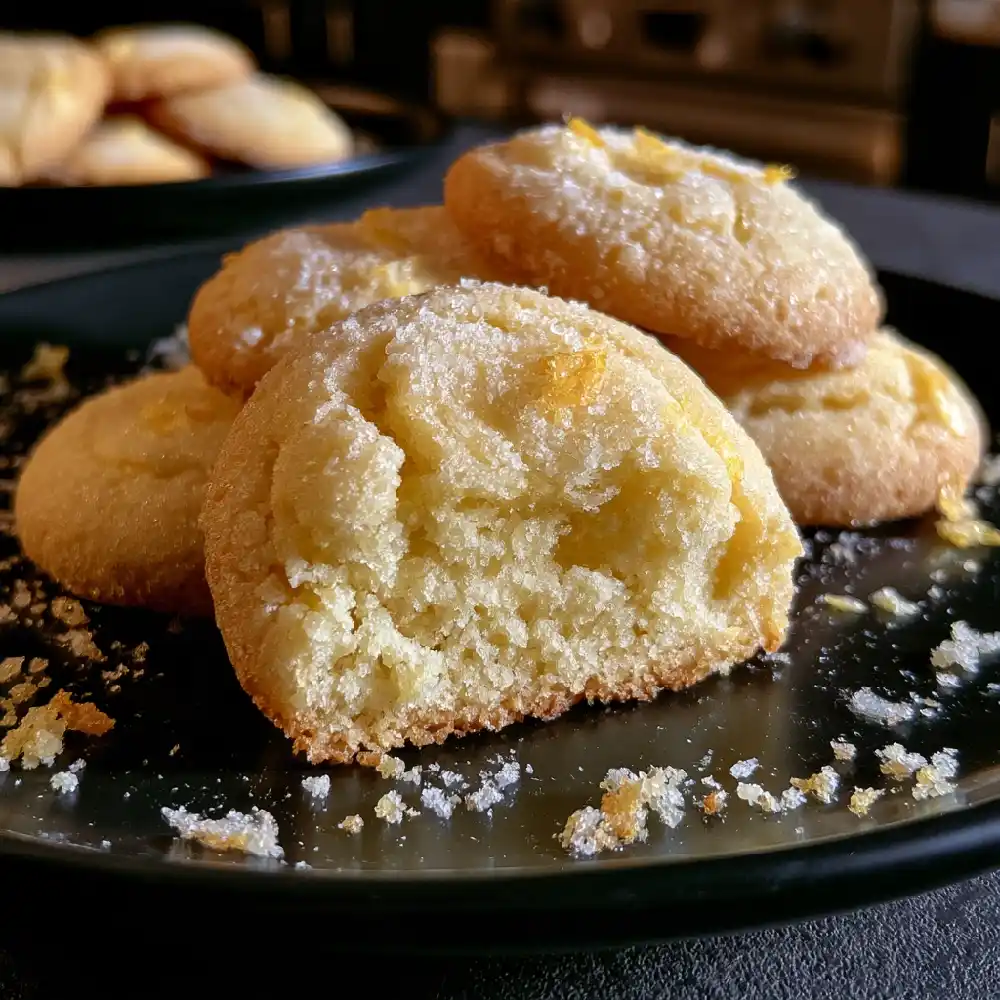
- The Perfect Finish: Dust the completely cooled cookies heavily with extra powdered sugar to simulate a classic lemon pound cake with glaze without adding any liquid crunch.
- Citrus Sandwich: Spread a very thin layer of high-quality lemon curd between two cookies for an intense, melting dessert.
- A Baker’s Secret: Keep this unique method saved in your folder of Lemon Pound Cake Recipes to impress friends who love delicate textures.
- Tea Time Delight: These delicate cookies are meant to be served alongside a steaming cup of chamomile tea, which enhances the melting sensation.
Pro Tips
- Your butter must be very soft, almost to the point of melting, to properly absorb the large amount of dry cornstarch and flour.
- Do not skip sifting the dry ingredients together; any small lumps of flour or cornstarch will ruin the delicate, melting texture of the final cookie.
- These cookies will look very pale and underbaked when you pull them from the oven; they should not develop any golden color on top.
- You must let the cookies cool entirely on the baking sheet; if you try to move them while they are warm, they will crumble into powder.
- If your dough feels too crumbly to roll into balls, gently knead it in your hands for a few seconds; the warmth of your skin will bring it together.
Melt-in-Your-Mouth Lemon Pound Cake Cookies
Ingredients
Equipment
Method
- Preheat the oven to 350°F (175°C). Line a large baking sheet with parchment paper. Avoid greasing the baking sheet.
- In a large mixing bowl, cream the very soft butter, powdered sugar, and fresh lemon zest with a hand mixer on medium speed for about 4 minutes, until pale, smooth, and fluffy.
- Add the vanilla extract and mix briefly until incorporated. Scrape down the sides of the bowl.
- Sift the all-purpose flour, cornstarch, and salt together. Add the dry ingredients to the butter mixture and mix on the lowest speed just until a soft dough forms. Do not overmix.
- Roll the dough into approximately 1-inch balls. Place them on the prepared baking sheet, leaving space between each cookie, and gently flatten each ball with your thumb.
- Bake for 12–14 minutes, until the bottoms are just set. The tops should remain pale and should not turn golden.
- Remove the baking sheet from the oven and allow the cookies to cool completely on the sheet. They are very delicate while warm and may crumble if moved too soon.
- Once completely cooled, dust generously with additional powdered sugar before serving.
- For an optional sandwich variation, spread a thin layer of lemon curd between two cooled cookies and gently press together.
Notes
FAQs
Can I use granulated sugar instead of powdered sugar in the dough? No, using granulated sugar will introduce moisture and a crunchy texture, completely ruining the delicate, melt-in-your-mouth quality that powdered sugar provides.
Why did my cookies spread flat in the oven? If they spread flat, it means your butter was completely melted rather than softened, or you did not measure the cornstarch correctly. The high starch content should hold their shape.
How do I store these delicate cookies without breaking them? Store them in a single layer in a shallow, airtight container at room temperature. Do not stack them heavily, as the weight will crush the bottom cookies.
Can I make the dough ahead of time and chill it? Yes, you can chill the dough for up to two days. However, because of the high butter content, you will need to let it sit at room temperature for twenty minutes before rolling it.
Can I add lemon juice to the dough for more flavor? Adding liquid like lemon juice to this specific dough will activate the gluten in the flour and make the cookies tough. Stick to using massive amounts of zest for flavor.
A Delicate Farewell
There is true baking magic in achieving a texture that is simultaneously solid and completely weightless on the tongue. These delicate little bites are the perfect way to enjoy a sophisticated citrus treat without feeling weighed down. Be patient with the soft dough, handle them gently once baked, and enjoy the beautiful melting sensation!