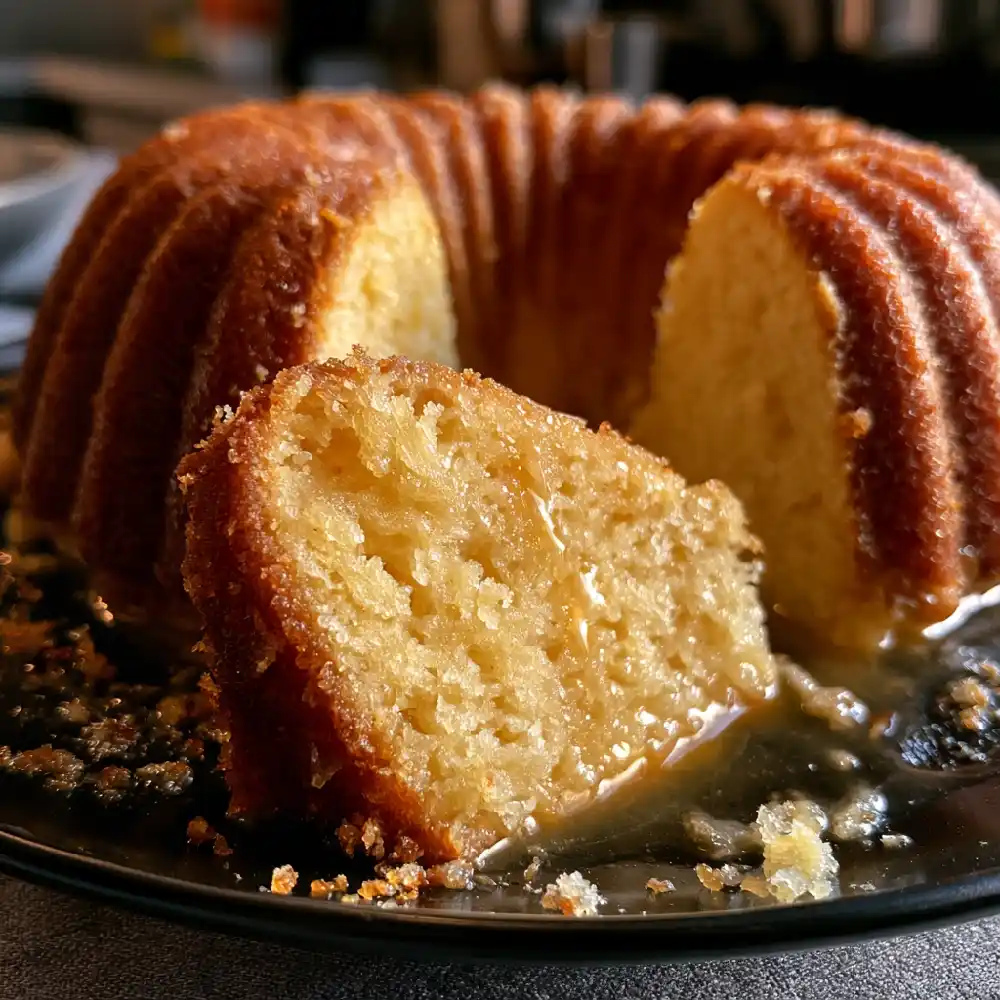
The Professional Touch at Home
I have always been completely captivated by the perfectly uniform, ultra-moist slices of citrus loaf sitting behind the glass at professional bakeries. If you have ever wanted to replicate that exact tight, velvety crumb in your own kitchen without needing commercial equipment, this is the recipe for you.

Translating high-end bakery science into accessible home baking is what I love to do, and you can learn all about DanyRecipes if you share that passion.
Why This Bakery Clone Is Essential
When evaluating top-tier lemon desserts, the hallmark of a true bakery-style loaf is an incredibly tight crumb that holds a massive amount of moisture without falling apart. Making this specific lemon pound cake from scratch involves using a combination of oil and butter, along with cake flour, to achieve that signature professional density. You will love how this loaf yields perfectly clean, sharp slices that taste even richer and more hydrated on the second and third days.
The Professional Baker’s Ingredients
- Cake Flour (2 1/2 cups): Absolutely critical for achieving the ultra-fine, velvet-like crumb found in professional bakeries.
- Unsalted Butter (1/2 cup, softened): Provides the foundational rich, traditional flavor.
- Canola Oil (1/2 cup): The professional secret to keeping the cake incredibly moist and soft for days on the counter.
- Granulated Sugar (1 3/4 cups): Sweetens the batter and helps build the heavy structure.
- Eggs (4 large, room temperature): Binds the fats and liquids smoothly into an emulsified batter.
- Whole Milk (1/2 cup, room temperature): Thins the heavy batter just enough to ensure an even bake.
- Baking Powder (1 teaspoon): Provides a gentle, controlled rise to prevent a domed top.
- Fresh Lemon Zest (3 tablespoons): Grated incredibly fine to ensure the oils distribute evenly without leaving chewy bits in the crumb.
- Lemon Extract (1 teaspoon): Adds that intense, bakery-level punch of concentrated citrus flavor.

Crafting the Bakery Loaf
- STEP 1Preheat your oven to 325°F (165°C) and line a 9×5 inch loaf pan with parchment paper, leaving a generous overhang on the sides for easy lifting.
- STEP 2In a stand mixer, beat the softened butter, canola oil, and granulated sugar on medium speed for five full minutes until the mixture is exceptionally pale and smooth.
- STEP 3Add the room temperature eggs exactly one at a time, mixing thoroughly after each, then beat in the fresh lemon zest and the lemon extract.
- STEP 4In a separate bowl, sift the cake flour and baking powder together at least twice to ensure the crumb will be perfectly fine.
- STEP 5Turn the mixer to the lowest possible speed and gradually add the sifted flour mixture in three additions, alternating with the room temperature whole milk.
- STEP 6Pour the batter into the lined pan, smooth the top flat, and bake for 60 to 70 minutes until a wooden skewer comes out with just a few moist crumbs attached.
Bakery-Style Serving Suggestions
- The Opaque Icing: Whisk powdered sugar with heavy cream instead of lemon juice to create a thick, bright white lemon pound cake with glaze that looks totally professional.
- Elegant Miniatures: Bake the batter in a specialty mini-loaf pan to create individually portioned treats for a sophisticated dessert spread.
- Candied Lemon Peel: Garnish the set icing with delicate strips of homemade candied lemon peel to elevate the visual presentation.
- Your New Standard: Keep this professional-grade recipe at the top of your Lemon Pound Cake Recipes for when you need to impress guests.
Pro Tips
- Do not substitute all-purpose flour for the cake flour; the lower protein content in cake flour is the only way to achieve that tight, velvet bakery texture.
- Using both butter and oil is a standard commercial bakery trick; the butter provides the necessary flavor, while the oil ensures the crumb stays incredibly soft and hydrated.
- Sifting the dry ingredients twice might seem tedious, but it is a crucial step to eliminate microscopic lumps that can ruin the fine texture of the cake.
- Bake the loaf on the middle rack of your oven to ensure the heat distributes evenly and prevents the bottom from becoming too dark.
- Let the cake cool in the pan for exactly fifteen minutes before using the parchment paper overhang to gently lift it out onto a wire rack.
Bakery-Style Moist Lemon Pound Cake
Ingredients
Equipment
Method
- Preheat your oven to 325°F (165°C). Line a 9×5-inch loaf pan with parchment paper, leaving a generous overhang on the long sides to make removing the finished cake easier.
- In the bowl of a stand mixer, combine the softened butter, canola oil, and granulated sugar. Beat on medium speed for approximately 5 minutes until the mixture becomes exceptionally pale, creamy, and smooth.
- Add the room-temperature eggs one at a time, mixing thoroughly after each addition until fully incorporated. Add the finely grated lemon zest and lemon extract, then mix until evenly distributed.
- In a separate bowl, sift the cake flour and baking powder together twice to remove lumps and ensure an evenly distributed, fine-textured dry mixture.
- Reduce the mixer speed to its lowest setting. Gradually add the flour mixture in three additions, alternating with the room-temperature whole milk. Begin and finish with the flour mixture. Mix only until the batter is smooth and no dry streaks remain. Avoid overmixing.
- Pour the batter into the prepared loaf pan and spread it evenly into the corners. Smooth the top with a spatula to create an even surface.
- Bake on the middle rack for 60–70 minutes, or until a wooden skewer inserted into the center comes out with just a few moist crumbs attached. If the top browns too quickly, loosely cover it with aluminum foil.
- Remove the cake from the oven and let it cool in the pan for approximately 15 minutes. Use the parchment paper overhang to carefully lift the loaf onto a wire cooling rack. Allow it to cool completely before slicing or glazing.
- For the optional bakery-style glaze, gradually whisk heavy cream into powdered sugar until thick, smooth, and opaque. Spread or drizzle over the completely cooled cake. Garnish with delicate strips of candied lemon peel if desired, then allow the glaze to set.
Notes
- Use cake flour rather than all-purpose flour for a finer, more delicate crumb.
- Combining butter and canola oil provides traditional buttery flavor while helping the cake remain moist.
- Sift the cake flour and baking powder twice to remove lumps and distribute the leavening evenly.
- Use room-temperature eggs and milk to help the batter emulsify smoothly.
- Mix gently after adding the flour to avoid developing excess gluten.
- Bake on the middle rack for even heat distribution and check the center before removing the cake.
- Allow the cake to cool in the pan for approximately 15 minutes before lifting it out using the parchment overhang.
- For exceptionally clean slices, chill the cooled cake briefly and use a sharp knife warmed and wiped clean between cuts.
- Top with a thick white glaze made from powdered sugar and heavy cream.
- Decorate with homemade candied lemon peel for an elegant bakery-style finish.
- Bake in mini-loaf pans for individual portions, adjusting the baking time accordingly.
- Serve alongside coffee, tea, or fresh berries.
FAQs
Can I use vegetable oil instead of canola oil? Yes, any neutral-flavored oil like vegetable or grapeseed oil will work perfectly. Avoid using olive oil, as its strong flavor will overpower the delicate citrus notes.
Why did my cake dome so much in the center? A massive dome usually means your oven temperature was too high, causing the outside edges to set before the center finished rising. Always use an oven thermometer to verify the heat.
How do bakeries get perfectly clean slices? To get clean slices without tearing the crumb, chill the baked cake in the refrigerator for an hour before slicing, and use a very sharp, hot knife wiped clean between each cut.
How long does this bakery-style loaf stay fresh? When stored in an airtight container or wrapped tightly in plastic wrap at room temperature, the combination of oil and butter will keep it perfectly moist for up to six days.
Can I add lemon juice to the batter instead of extract? For this specific professional texture, it is better to use the extract. Adding liquid juice can alter the hydration ratio and activate the gluten in the cake flour, making it tough.
A Professional Finish
There is a profound sense of satisfaction in slicing into a homemade cake and seeing a perfectly uniform, ultra-moist crumb that rivals any professional bakery in town. This recipe is designed to give you that exact flawless result with minimal stress. Trust the science of the ingredients, take your time with the mixing, and enjoy your stunning bakery-style loaf!