A Slice of Solid Comfort
I have always preferred a cake that feels substantial on the fork, the kind of slice that holds together perfectly without scattering crumbs everywhere.
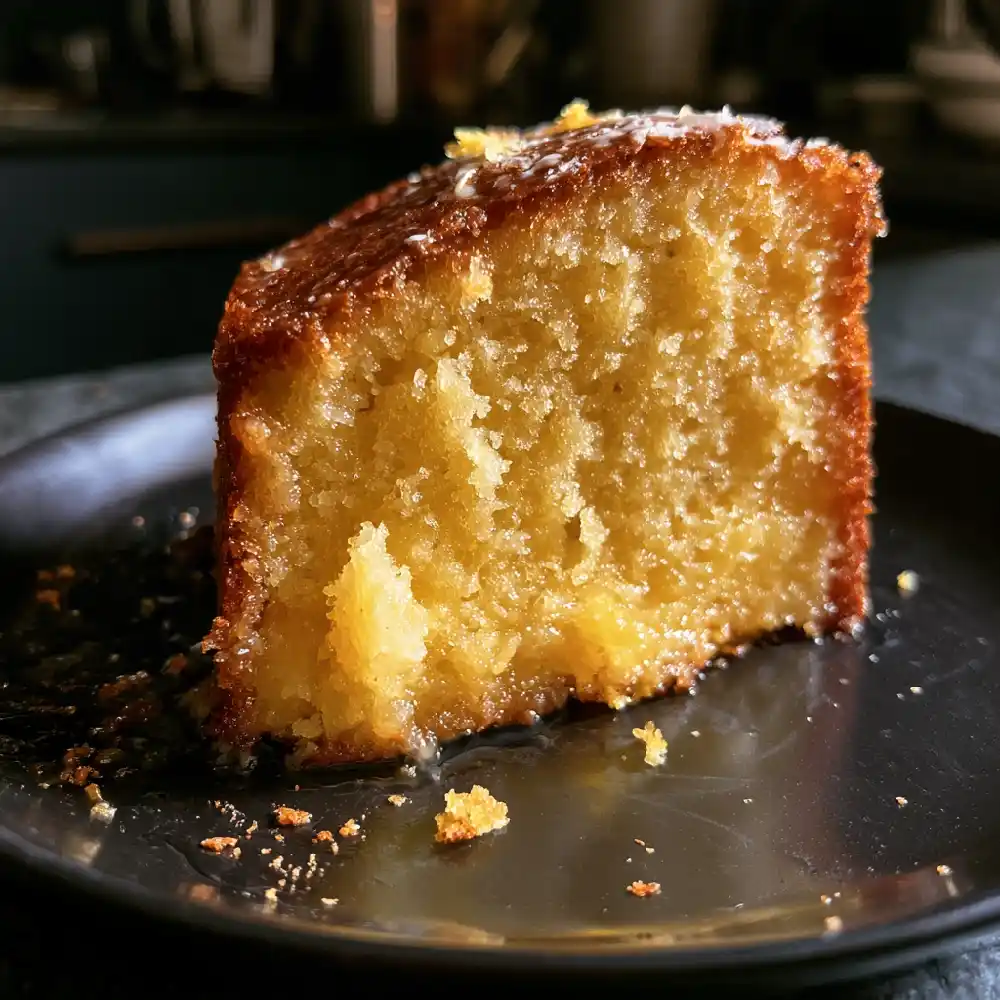
If you love a dessert that is unabashedly heavy, velvet-smooth, and absolutely packed with hydration, this specific recipe is going to win you over completely. Finding that perfect balance of density and moisture is what we do best, and you can learn all about DanyRecipes if you share our love for solid, comforting bakes.
Why This Dense Slice Is So Satisfying
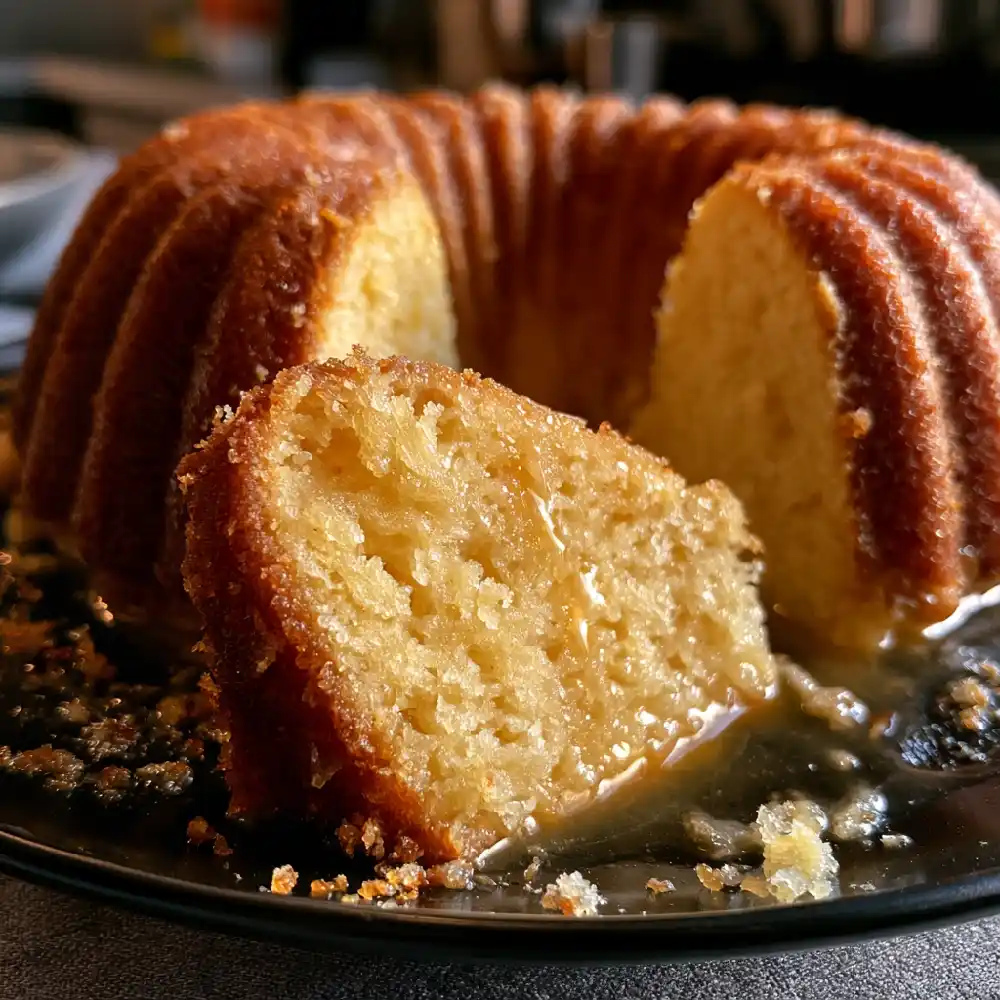
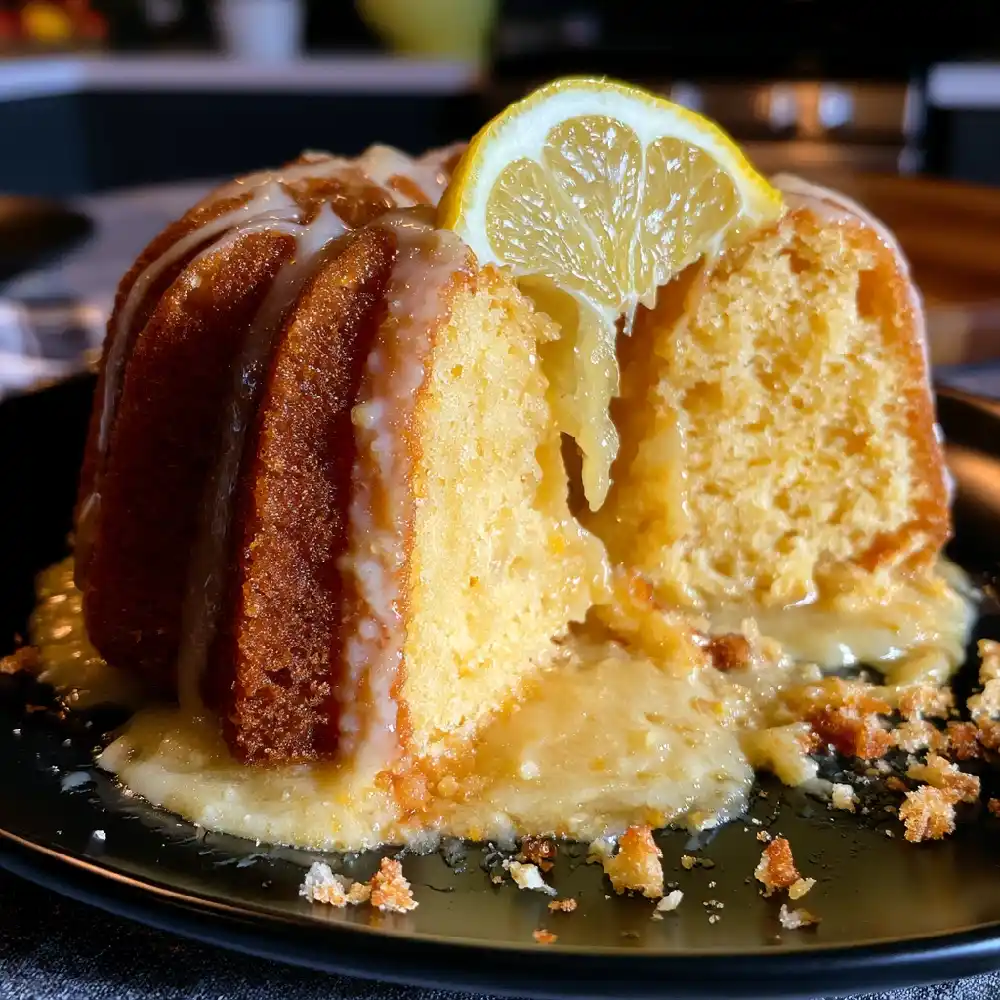
When you search for the best lemon desserts, many recipes lean toward a light, fluffy sponge, completely missing the true definition of a traditional pound cake. Making a dense lemon pound cake from scratch involves using cold butter instead of softened, a technique that prevents too much air from being whipped into the batter. You will love how this method creates an incredibly tight, heavy crumb that locks in all the moisture, giving you a dense, satisfying slice that practically melts in your mouth.
The Cold Butter Pantry
- Unsalted Butter (1 cup, cold and cubed): Using cold butter is the absolute secret to preventing air pockets and creating a tight, dense crumb.
- Granulated Sugar (2 cups): Needed to cream with the cold butter and provide the necessary sweetness.
- Eggs (5 large, room temperature): The primary binding agent that gives the heavy batter its structure.
- All-Purpose Flour (3 cups): Sifted well to ensure the tight crumb remains perfectly smooth.
- Cream Cheese (4 ounces, softened): Adds incredible moisture and a subtle tang to the dense batter.
- Whole Milk (1/4 cup): Just enough liquid to bring the heavy ingredients together.
- Fresh Lemon Zest (3 tablespoons): Grated fine to infuse the tight crumb with aromatic essential oils.
- Fresh Lemon Juice (1/4 cup): Squeezed fresh for that sharp, bright flavor that cuts through the heavy fat.
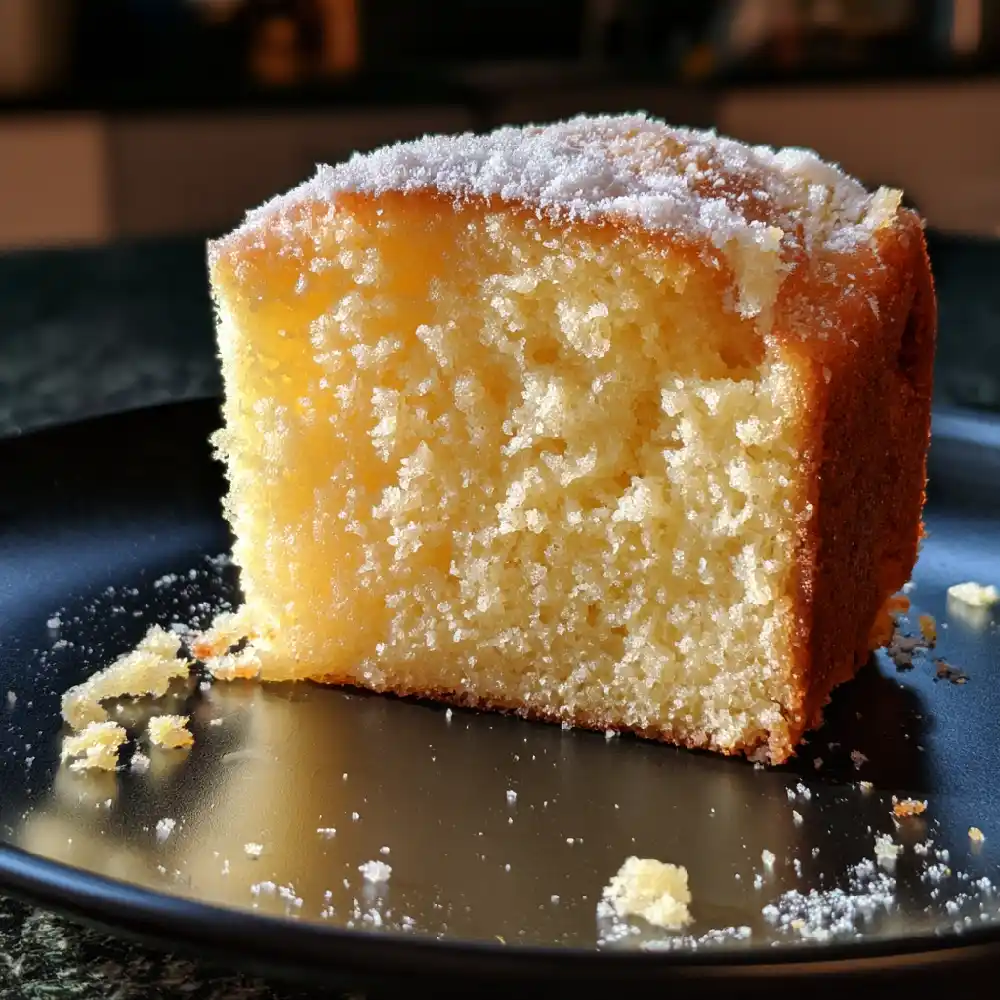
Mixing for Maximum Density
- STEP 1Preheat your oven to 325°F (165°C) and prepare a 10-inch Bundt pan by greasing it heavily with solid shortening and dusting it completely with flour.
- STEP 2In a stand mixer fitted with a paddle attachment, beat the cold, cubed butter and granulated sugar on low speed until it resembles wet sand, about three minutes.
- STEP 3Add the softened cream cheese and beat on medium speed for two minutes until just smooth, being careful not to overbeat and incorporate too much air.
- STEP 4Beat in the room temperature eggs one at a time, mixing just until the yolk disappears, then blend in the fresh lemon zest and juice.
- STEP 5Turn the mixer to the lowest possible speed and add the sifted flour in three additions, alternating with the whole milk, stopping the mixer the second the flour vanishes.
- STEP 6Scrape the very thick batter into the prepared pan, tap the pan firmly on the counter to remove any air bubbles, and bake for 70 to 80 minutes until a skewer comes out clean.
Serving a Solid Slice
- A Simple Finish: Serve this incredibly dense bake as a lemon pound cake with glaze by dripping a thick mixture of powdered sugar and cream over the top.
- Toasted Perfection: Slice leftovers thick, toast them in a hot skillet with a tiny bit of butter, and serve them warm with your morning coffee.
- Bite Sized Density: Bake the thick batter in a muffin tin to create solid, heavy lemon pound cake cookies for lunchboxes.
- The Ultimate Standard: Keep this unique cold-butter method saved in your folder of Lemon Pound Cake Recipes for when you crave a truly substantial dessert.
Dense and Moist Lemon Pound Cake
Ingredients
Equipment
Method
- Preheat the oven to 325°F (165°C). Grease a 10-inch Bundt pan generously with solid shortening and dust thoroughly with flour, shaking out the excess.
- In a stand mixer fitted with a paddle attachment, beat the cold, cubed butter and granulated sugar on low speed for about 3 minutes, until the mixture resembles wet sand.
- Add the softened cream cheese and beat on medium speed for about 2 minutes, just until smooth. Avoid overmixing or incorporating too much air.
- Add the room-temperature eggs one at a time, mixing just until each yolk disappears. Blend in the fresh lemon zest and lemon juice.
- With the mixer on its lowest speed, add the sifted flour in three additions, alternating with the whole milk. Stop mixing as soon as the flour is incorporated.
- Transfer the thick batter to the prepared Bundt pan. Use a sturdy spatula to spread it evenly, then tap the pan firmly on the counter to release large air bubbles.
- Bake for 70–80 minutes, or until a skewer inserted into the center comes out clean. If the top browns too quickly, loosely cover it with foil near the end of baking.
- Let the cake cool in the pan for exactly 15 minutes, then carefully turn it out onto a wire rack to cool completely.
- For an optional glaze, whisk powdered sugar with enough cream to make a thick, smooth mixture. Drizzle over the completely cooled cake before slicing.
Notes
Pro Tips
- Your butter must be completely cold straight from the fridge when you start mixing; if it softens, you will whip air into the batter and lose that signature density.
- Because the butter is cold, you must use a heavy-duty stand mixer with a paddle attachment; a hand mixer will struggle to break down the cold fat.
- Do not overmix the batter at any stage. The goal is to combine the ingredients smoothly without aerating them.
- The batter will be extremely thick, almost like cookie dough. Use a sturdy spatula to press it evenly into the Bundt pan.
- Let the heavy cake cool in the pan for exactly fifteen minutes before turning it out; flipping it while it is too hot will cause the dense crumb to break.
FAQs
Why is my cake so short and flat? Because this recipe specifically avoids whipping air into the batter, the cake will not rise nearly as much as a traditional cake. The short, dense stature is exactly how it should be.
Can I use baking powder to make it rise more? You can add half a teaspoon of baking powder if you prefer a slightly lighter texture, but doing so will sacrifice the ultra-dense, heavy crumb this recipe is known for.
How do I store this incredibly dense cake? Store the completely cooled cake in an airtight container at room temperature. The tight crumb and cream cheese will keep it perfectly moist for up to six days.
Can I freeze this heavy loaf? Yes, dense cakes freeze beautifully because they contain very little air. Wrap the unglazed cake tightly in plastic wrap and foil, and freeze for up to three months.
Why did my batter look curdled when I added the eggs? Because you are mixing room-temperature eggs into a cold butter base, the emulsion might look slightly curdled. It will smooth out entirely once you add the dry ingredients.
A Solid Conclusion
There is a specific kind of joy in serving a cake that feels substantial and satisfying, completely rejecting the modern trend of light, airy sponges. This unique cold-butter method guarantees that tight, heavy texture that true pound cake lovers crave. Trust the process, avoid overmixing, and enjoy every single solid, citrusy slice!