The Day My Candy Thermometer Went Missing
I reached for my candy thermometer one lazy Saturday and could not find it anywhere in the drawer chaos, and my curd plans nearly stalled right there. Rather than delay things any further, I leaned on the old spoon trick my grandmother swore by instead. That one small workaround turned into the exact method I use every single time now, thermometer or not, and honestly I trust it more.
Why This Method Just Works
You do not need any fancy equipment to get silky, perfectly set lemon curd every time. A simple spoon and a watchful eye tell you everything a thermometer would, just through touch and sight instead of numbers. It is a foolproof way to trust your instincts in the kitchen and still land a flawless, glossy curd.
What You Need
- 3 large egg yolks
- 3/4 cup granulated sugar
- 1/2 cup fresh lemon juice
- 1 tablespoon lemon zest
- 1/2 cup unsalted butter, cubed
- Pinch of salt
Let’s Make It
- Whisk the egg yolks and sugar together in a saucepan until pale and smooth.
- Whisk in the lemon juice, lemon zest, and a pinch of salt.
- Place the saucepan over medium-low heat.
- Whisk constantly, never letting the mixture boil.
- Add the cubed butter a few pieces at a time, whisking until melted between additions.
- Continue cooking and whisking until the curd coats the back of a spoon.
- Run a finger through the curd on the spoon; if the line holds clean, it is done.
- If the line fills back in, keep cooking for another minute and test again.
- Remove from heat and strain through a fine mesh sieve into a bowl.
- Press plastic wrap directly onto the surface and chill for at least 2 hours.
Ways to Dress It Up
- Spread a spoonful over warm scones or toast for breakfast.
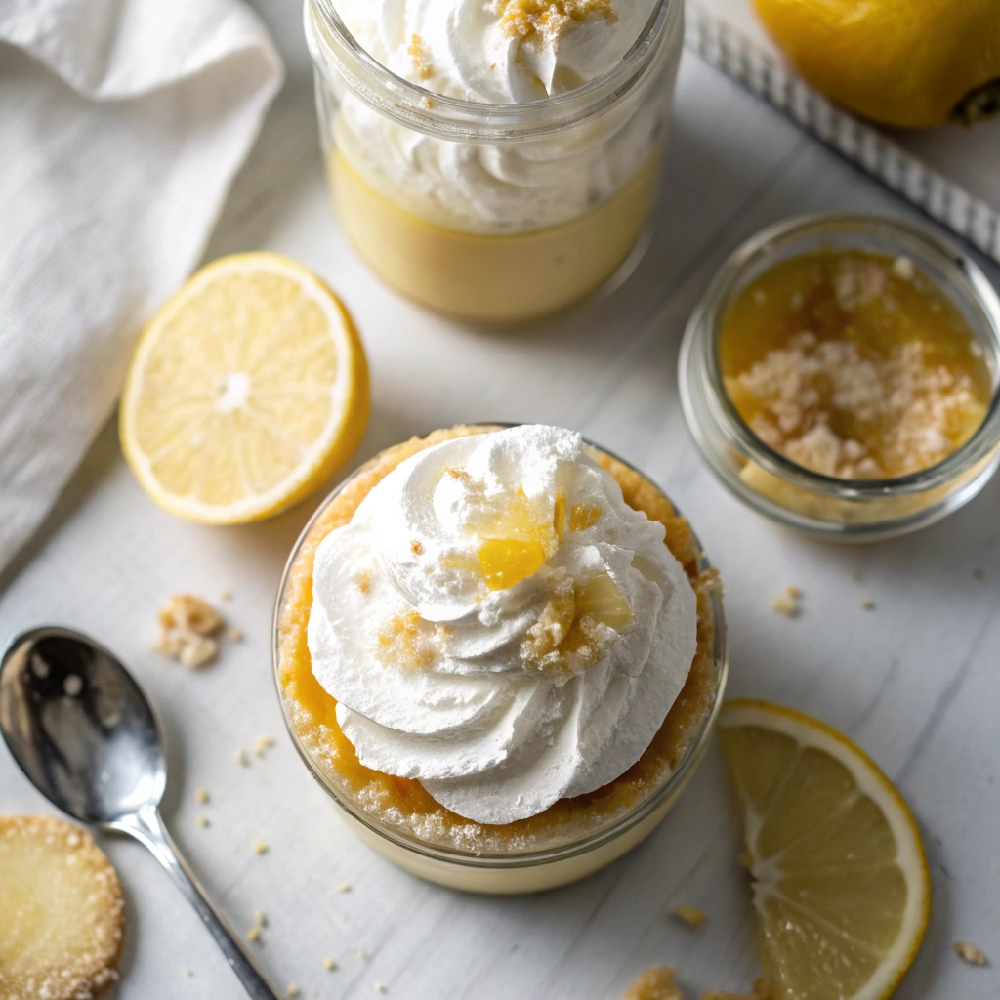
- Layer it into jars with granola and yogurt for a quick lemon lush dessert recipe style parfait.
- Use it as a filling for a classic lemon tart recipe crust.
- Swirl it into vanilla cake batter before baking for a marbled effect.
- Fold a spoonful into whipped cream for an instant mousse.
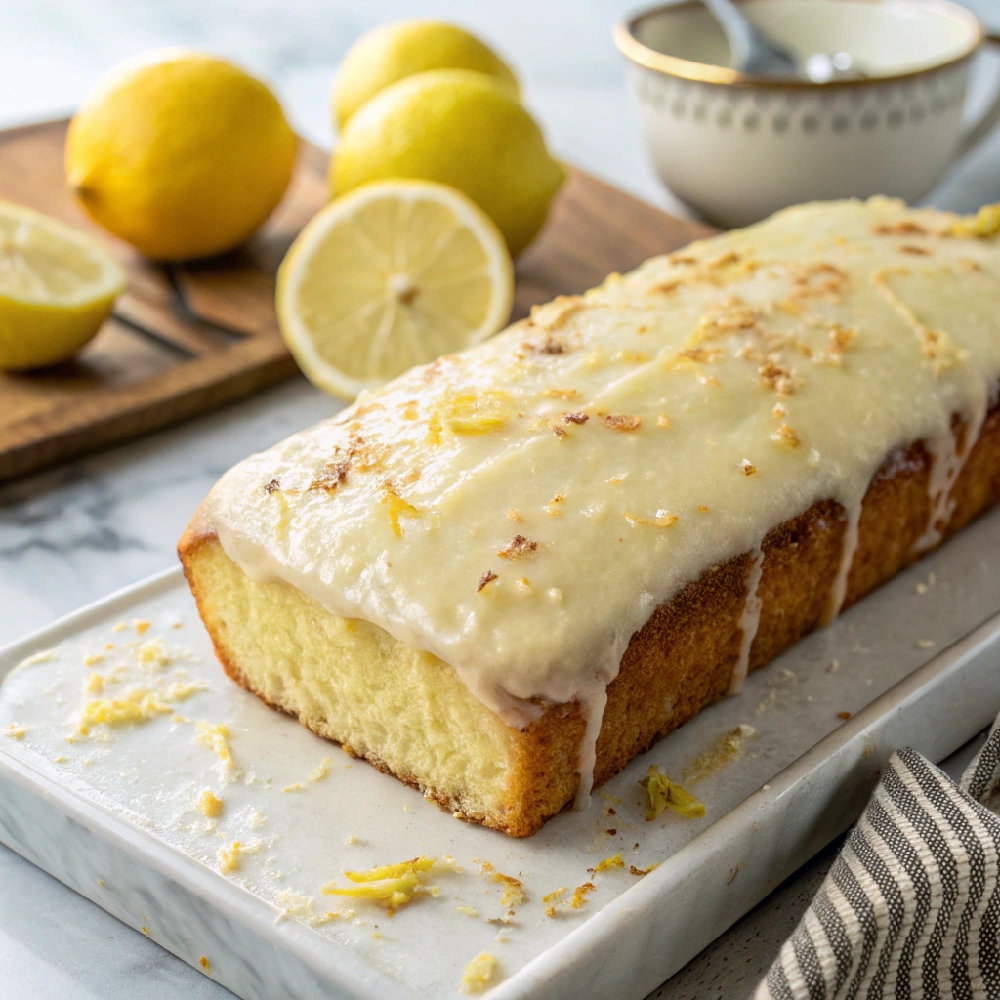
- Spread between cake layers instead of frosting for a lighter lemon bundt cake recipe alternative.
Pro Tips
- Use a heavy-bottomed saucepan so the curd heats evenly and does not scorch on the bottom.
- Whisk constantly and never walk away, since the eggs can scramble in seconds if left unattended.
- Keep the heat on medium-low the entire time, resisting the urge to speed things up.
- Add the butter gradually rather than all at once for a smoother, glossier finish.
- Strain the curd even if it looks smooth, since tiny bits of cooked egg can hide in the mixture.
- Chill the curd fully before using it as a filling, since it thickens further as it cools and sets.
- Cover the curd with plastic wrap touching the surface to prevent a skin from forming as it cools.
No-Thermometer Lemon Curd
Ingredients
Equipment
Method
- Whisk the egg yolks and sugar together in a saucepan until pale and smooth.
- Whisk in the lemon juice, lemon zest, and salt.
- Place the saucepan over medium-low heat.
- Whisk constantly and do not allow the mixture to boil.
- Add the cubed butter a few pieces at a time, whisking until each addition melts before adding more.
- Continue cooking and whisking until the curd coats the back of a spoon.
- Run a finger through the curd on the spoon. If the line stays clean and does not flow back together, the curd is ready.
- If the line fills back in, continue cooking for another minute and test again.
- Remove from the heat and strain the curd through a fine mesh sieve into a bowl.
- Press plastic wrap directly onto the surface and chill for at least 2 hours.
Notes
FAQs
How long does homemade lemon curd last?
Stored in an airtight container in the refrigerator, it stays fresh for up to two weeks. Always use a clean spoon each time you scoop some out to avoid introducing bacteria. It can also be frozen for up to three months in a freezer-safe container.
Can I use whole eggs instead of just yolks?
Yes, though yolks alone give a richer, silkier texture that whole eggs cannot quite match. If you use whole eggs, expect a slightly lighter color and texture. The cooking time and doneness test stay the same either way.
What’s the best way to serve lemon curd?
Serve it chilled as a spread, a filling, or a topping for cakes, tarts, and pastries. It pairs beautifully with fresh berries or a dollop of whipped cream. A small jar also makes a lovely homemade gift.
Why did my curd turn out grainy?
This usually happens when the heat was too high and the eggs started to scramble slightly before the curd fully thickened. Straining right after cooking rescues most batches, since it catches the tiny curdled bits. Next time, lower the heat and whisk a bit more patiently.
How do I know for sure when it’s thick enough without a thermometer?
The spoon test is your best friend here; dip a spoon in, run your finger across the back, and look for a clean line that holds its shape. If the curd floods back over the line, it needs a little more time on the heat. Once that line stays crisp and defined, your curd is ready to come off the stove.
A Little Kitchen Confidence in a Jar
There is something satisfying about trusting your own senses instead of relying on a gadget to tell you when food is ready. This no-thermometer lemon curd has taught me to slow down and actually watch what is happening in the pan, rather than staring at a number waiting to hit a target. I hope it gives you the same quiet confidence the next time you stand at the stove with a whisk in hand and no gadgets in sight. Keep a jar in the fridge, and you will always have a little sunshine ready to spread whenever the craving hits.