A Touch of Bakery Elegance
I still remember peering through the glass of my favorite local bakery, mesmerized by the perfectly smooth, pristine glazes cascading over their towering citrus bakes.
If you have been searching for a recipe that looks professionally crafted but is entirely achievable in your own kitchen, this elegant treat is exactly what you need. To read more about how we translate professional baking techniques into cozy home recipes, you can discover all about DanyRecipes.
Why This Elegant Bake Feels So Special
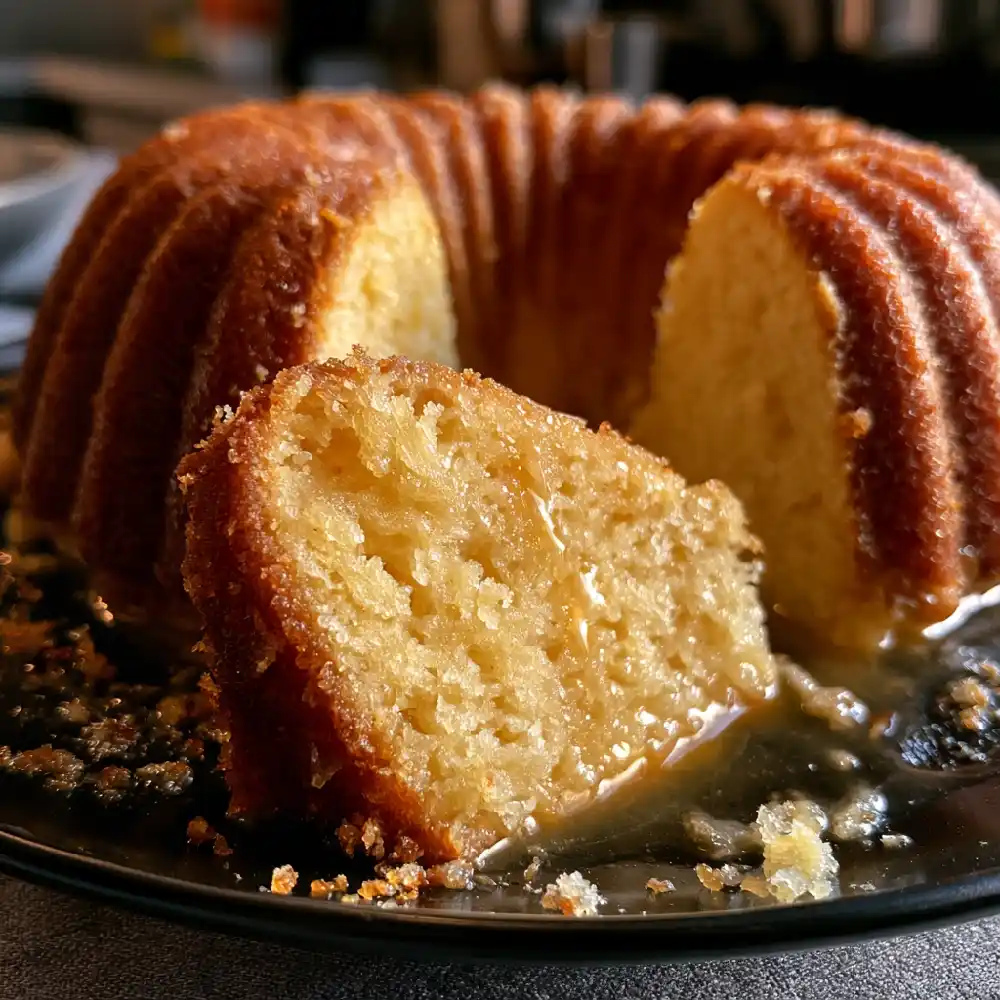
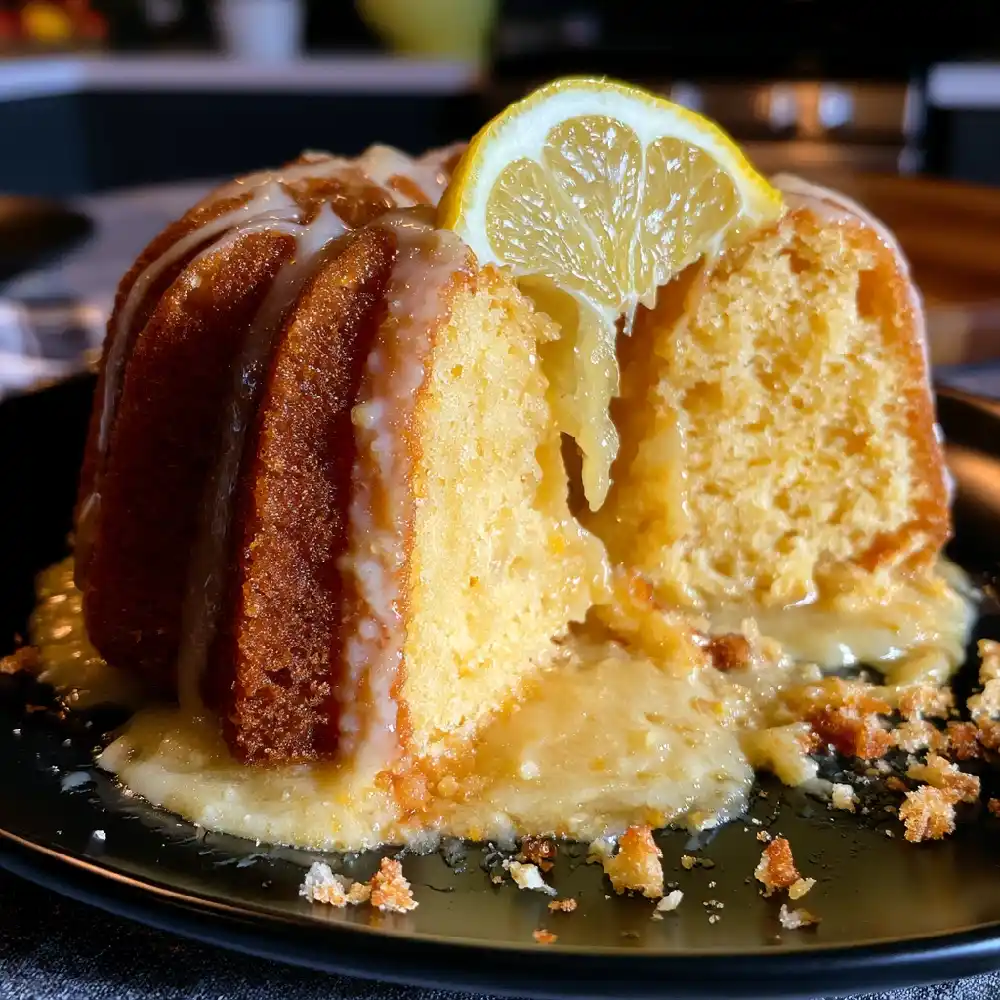
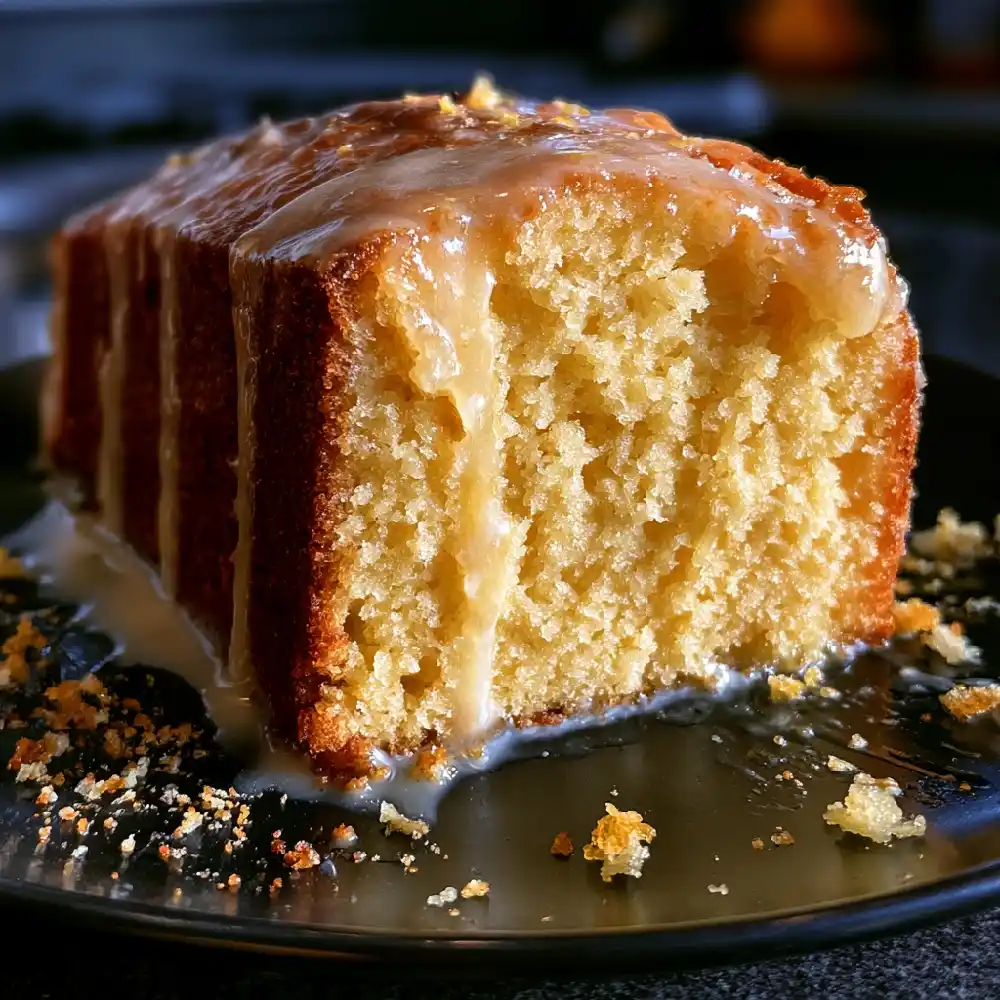
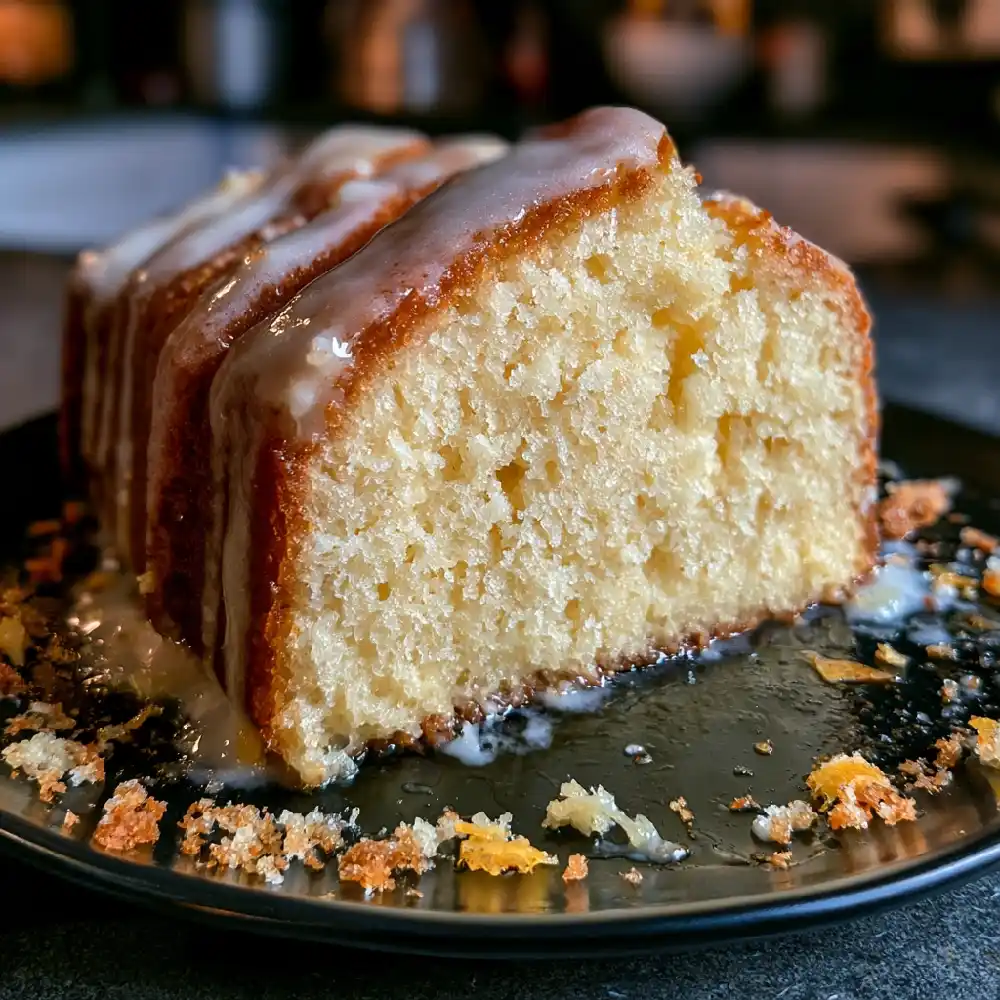
Creating show-stopping lemon desserts does not require a culinary degree; it just requires patience and the right foundational techniques. When you make this elegant lemon pound cake from scratch, the secret to its bakery-style appearance lies in creating an ultra-fine, tight crumb that holds its shape beautifully under a thick, opaque layer of icing. The resulting slice is dense, velvety smooth, and visually stunning, making it the absolute perfect centerpiece for high teas or formal gatherings.
The Professional Baker’s Pantry
- Cake Flour (3 cups): Essential for achieving that ultra-fine, professional bakery crumb.
- Granulated Sugar (2 1/2 cups): Needed to provide structure and hold the massive amount of butter.
- Unsalted Butter (1 1/2 cups, softened): Three full sticks give this bake its luxurious, melt-in-your-mouth texture.
- Eggs (5 large, room temperature): Binds the heavy batter and provides a natural, even rise.
- Heavy Cream (1/2 cup): Adds a decadent richness that milk simply cannot provide.
- Fresh Lemon Zest (3 tablespoons): Grated incredibly fine so it blends seamlessly into the batter.
- Fresh Lemon Juice (1/4 cup): For the cake batter to provide that bright, necessary acidity.
- Powdered Sugar (3 cups): The base for the thick, opaque, bakery-style glaze.
- Heavy Cream for Glaze (2-3 tablespoons): Used instead of juice in the icing to keep it bright white and opaque.
Crafting Bakery Perfection at Home
- STEP 1Preheat your oven to 325°F (165°C) and prepare a 10-inch Bundt pan by painting the inside generously with softened butter and dusting it evenly with flour.
- STEP 2In a stand mixer, cream the butter and granulated sugar on medium speed for a full seven minutes until it looks like fluffy, pale whipped cream.
- STEP 3Add the room temperature eggs one at a time, allowing each to fully incorporate before adding the next, then mix in the finely grated lemon zest.
- STEP 4Whisk the fresh lemon juice into the heavy cream, then add the cake flour to the butter mixture in three additions, alternating with the heavy cream mixture.
- STEP 5Pour the thick batter into the prepared pan, smooth the top completely flat, and bake for 70 to 80 minutes until a wooden skewer comes out clean.
- STEP 6Once the cake has cooled completely, whisk the powdered sugar with the heavy cream until very thick, and pour it over the cake to create a smooth, opaque glaze.
Serving with Sophistication
- Candied Lemon Peel: Garnish your beautiful lemon pound cake with glaze by carefully arranging strips of homemade candied lemon peel over the set icing.
- Elegant Miniatures: Bake the batter in a specialty mini-Bundt pan to create individual, elegant lemon pound cake cookies for a formal dessert spread.
- Edible Flowers: Before the thick glaze fully sets, gently press organic, edible lavender or pansy petals into the icing for a breathtaking presentation.
- The Crown Jewel: This sophisticated recipe deserves the premier spot in your binder of favorite Lemon Pound Cake Recipes for when only the best will do.
Pro Tips
- Using cake flour instead of all-purpose is non-negotiable for this recipe; it is the only way to achieve that tight, velvet-like texture found in professional bakeries.
- Do not rush the creaming process; whipping the butter and sugar for seven full minutes creates the microscopic air bubbles needed for a perfect rise.
- Make sure your lemon zest is grated as finely as possible so you do not have large, chewy pieces of peel interrupting the smooth crumb.
- Using heavy cream in the glaze instead of lemon juice prevents it from becoming transparent; the fat in the cream keeps the icing bright white and opaque.
- Drop your filled cake pan onto the counter from a height of about two inches a few times before baking to force out any large air bubbles in the batter.
FAQs
Can I make my own cake flour for this recipe? Yes, measure three cups of all-purpose flour, remove six tablespoons, and replace them with six tablespoons of cornstarch. Sift this mixture thoroughly at least three times before using.
Why did my bakery glaze crack when I cut the cake? A thick, opaque glaze made with heavy cream will naturally form a hard, crackly crust. To get clean slices, use a very sharp, hot knife wiped clean between each cut.
How do I prevent a dark, tough crust on the outside? Bake the cake on the middle rack of your oven and use a light-colored metal pan. If it starts browning too quickly, tent it loosely with aluminum foil.
Can I make this elegant cake a day in advance? Yes, pound cakes actually taste better the next day! Keep the glazed cake covered under a glass dome at room temperature, and the flavors will meld beautifully overnight.
Why is my batter so thick? Pound cake batter is supposed to be very thick, almost like cookie dough. Do not be tempted to add more liquid, or the cake will become dense and heavy.
Elegant Bakery-Style Lemon Pound Cake with Glaze
Ingredients
Equipment
Method
- Preheat the oven to 325°F (165°C). Generously grease a 10-inch Bundt pan with softened butter, making sure to reach every crevice, then dust evenly with flour and tap out the excess.
- In the bowl of a stand mixer, combine the softened butter and granulated sugar. Cream on medium speed for approximately 7 minutes, until very pale, light, and fluffy, scraping down the sides of the bowl as needed.
- Add the room-temperature eggs one at a time, allowing each egg to become fully incorporated before adding the next. Mix in the finely grated lemon zest.
- In a separate bowl, whisk together the heavy cream and fresh lemon juice. The mixture may thicken slightly because of the acidity. Add the sifted cake flour to the butter mixture in three additions, alternating with the cream mixture. Begin and end with the flour, mixing on low speed just until combined.
- Transfer the thick batter to the prepared Bundt pan and smooth the surface. Gently tap the pan on the counter to release any large air bubbles.
- Bake on the middle rack for 70–80 minutes, or until a wooden skewer inserted into the center comes out clean. If the cake browns too quickly, loosely tent the pan with aluminum foil during the final part of baking.
- Remove the cake from the oven and allow it to cool in the pan briefly before carefully turning it out onto a cooling rack. Let it cool completely before glazing.
- To make the glaze, sift the powdered sugar into a bowl. Gradually whisk in 2 tablespoons of heavy cream, adding the remaining tablespoon only if needed, until the icing is thick, smooth, opaque, and slowly pourable.
- Place the completely cooled cake on a serving plate or cooling rack. Slowly pour the thick glaze over the top, allowing it to cascade naturally down the sides. Let the icing set before slicing and serving.
Notes
A Stunning Finish
Bringing bakery-level elegance into your own home kitchen is one of the most rewarding experiences a baker can have. This recipe proves that with a little patience and the right ingredients, you can create a masterpiece that looks as flawless as it tastes. Put on your favorite apron, take your time with the process, and enjoy serving this truly elegant bake!