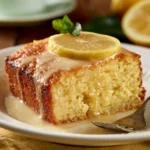
The Jar That Brightens Breakfast
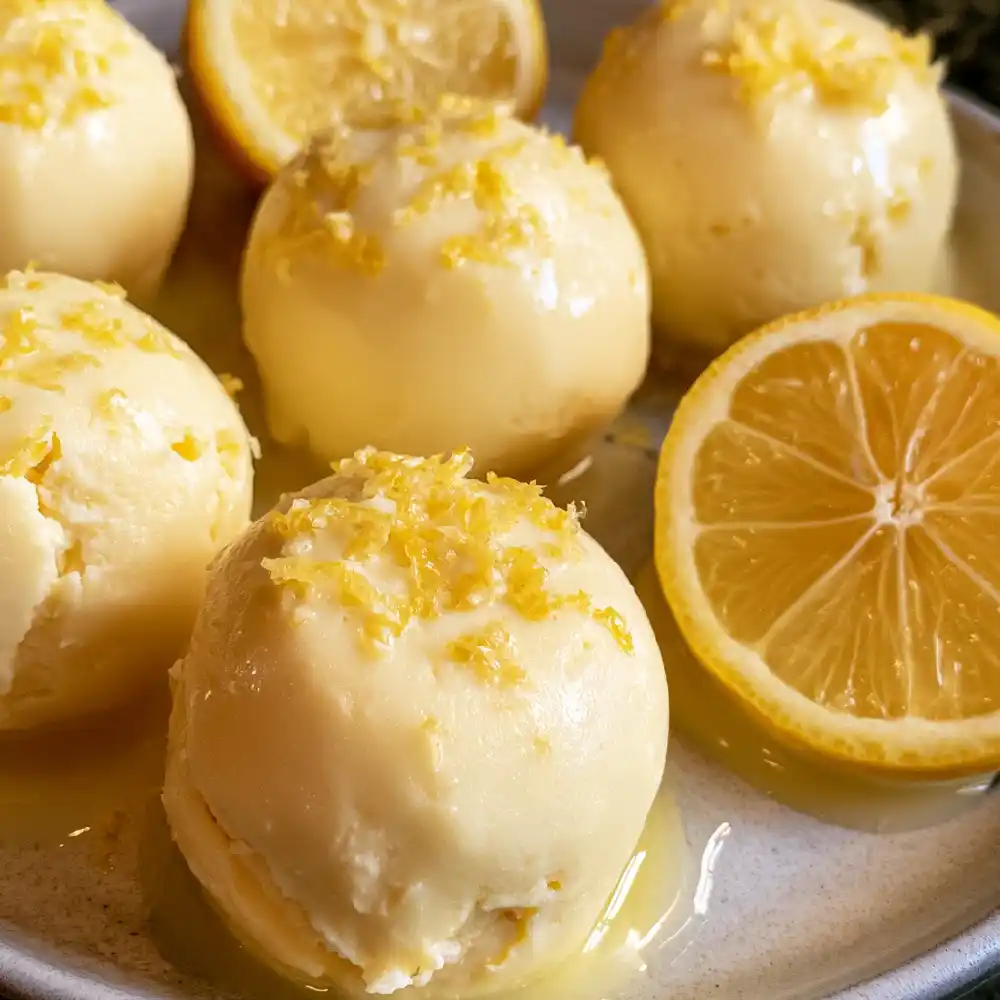
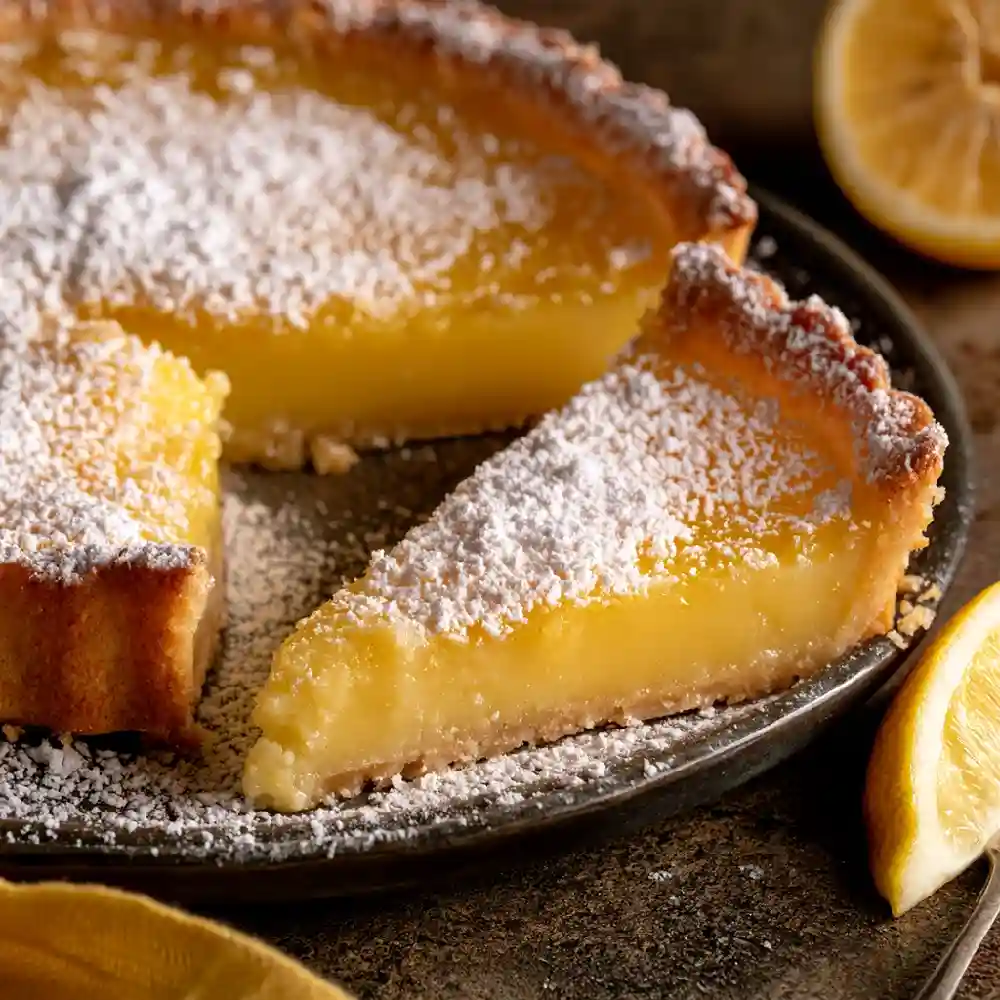
I made this lemon curd after bringing home more lemons than I meant to buy. Before the jar had cooled, I was already planning what to spoon it onto first. Its bright scent made the kitchen feel like a sunny morning.
Why I Make It Again
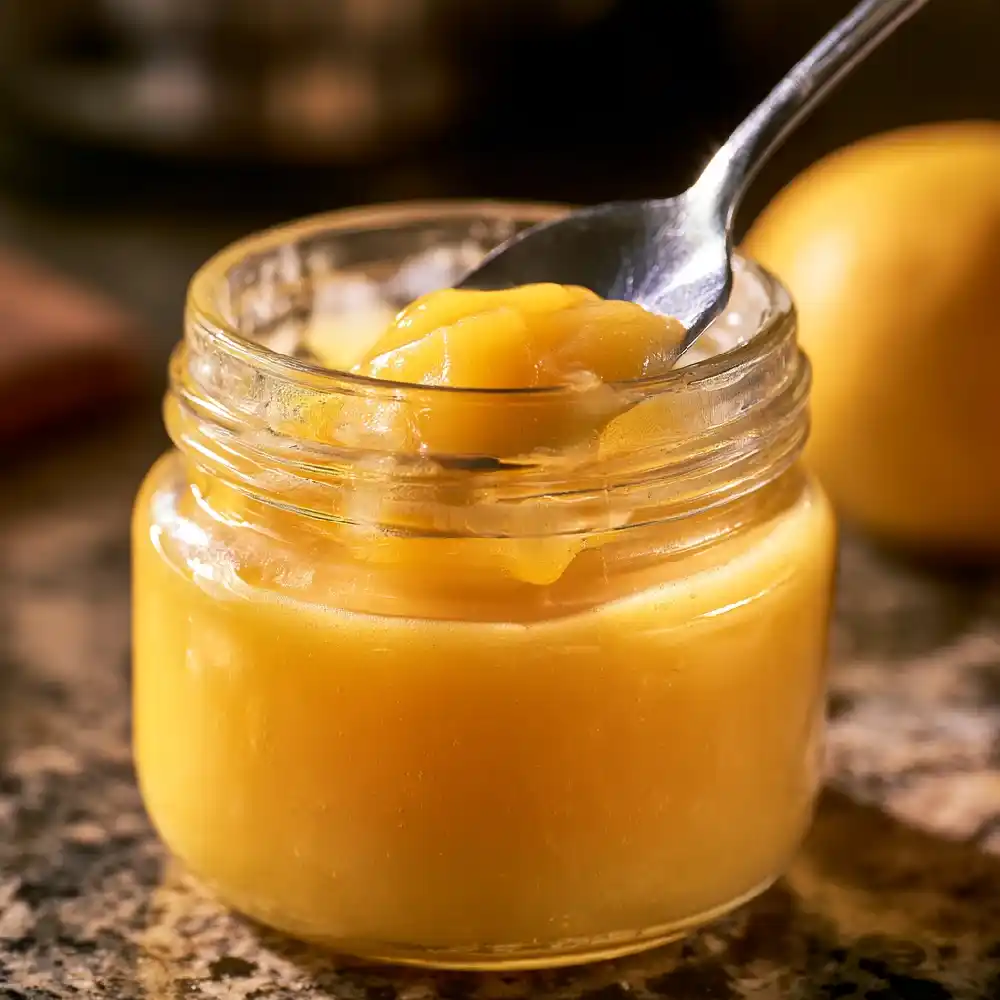
This monk fruit lemon curd is tart, creamy, and easy to serve in small spoonfuls. It adds fresh lemon flavor to breakfast bowls, cakes, and other lemon desserts without added sugar. A little patience at the stove gives it a smooth texture worth slowing down for.
What Goes in the Jar
- 2 large eggs
- 2 large egg yolks
- 1/2 cup powdered 1:1 monk fruit baking blend
- 1/2 cup fresh lemon juice
- 1 tablespoon finely grated lemon zest
- 6 tablespoons unsalted butter, cut into small pieces
- 1/8 teaspoon fine salt
A Slow Stir to Silky
- Whisk the eggs and egg yolks in a small saucepan.
- Whisk in the monk fruit baking blend, lemon juice, zest, and salt.
- Set the saucepan over low heat.
- Whisk constantly, reaching the edges and corners of the pan.
- Cook for 8 to 12 minutes, until the curd thickens and coats a spoon.
- Check for 170°F (77°C) with a food thermometer.
- Remove the saucepan from the heat.
- Whisk in the butter, a few pieces at a time.
- Strain the curd through a fine-mesh sieve.
- Transfer it to a clean jar.
- Cover the surface and refrigerate until cold.
Good Places for a Spoonful
- Spoon onto plain Greek yogurt.
- Swirl into unsweetened coconut yogurt.
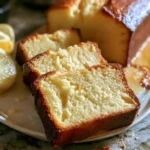
- Spread over a slice of almond-flour cake.
- Add to a bowl of fresh raspberries.
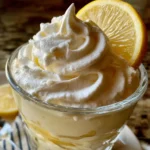
- Layer with whipped cream in a small glass.
- Serve beside keto pancakes or waffles.
- Spoon onto a cooled cheesecake slice.
- Spread lightly on low-carb toast.
- Fold a little into an unsweetened cream filling.
- Pair with toasted coconut for a quick dessert cup.
- Add a small spoonful to chia pudding.
- Serve in a bowl with sliced strawberries.
Pro Tips
- Read the sweetener package before measuring. This recipe calls for a powdered monk fruit blend that replaces sugar cup for cup, not pure monk fruit extract, which is much more concentrated.
- Keep the saucepan over low heat throughout cooking. A hotter pan may thicken the eggs too quickly, leaving small cooked pieces before the whole mixture becomes creamy.
- Whisk continuously and scrape along the bottom of the pan. That is where the curd heats first, and steady movement helps it cook evenly.
- Use fresh lemon juice and zest from the same lemons. Zest them before cutting, and avoid grating into the bitter white peel beneath the yellow surface.
- Add the butter off the heat. Small pieces melt into the warm curd easily and help give it a rich finish without further cooking the eggs.
- Expect the chilled texture to depend partly on your blend. Monk fruit sweeteners often contain other ingredients, and some blends can make cold curd feel slightly grainy.
FAQs
Can I use pure monk fruit sweetener?
Not as a direct swap. Pure monk fruit extract is far sweeter than a cup-for-cup baking blend, and it will not supply the same volume. Use the amount recommended on its label only if you are comfortable adjusting the recipe’s texture as well as its sweetness.
Why did my curd turn lumpy?
The eggs probably heated too quickly or stopped moving against the bottom of the pan. Take the curd off the heat and strain it while it is still warm; this can catch small cooked pieces. Next time, lower the heat and whisk into every corner.
How thick should it be before I refrigerate it?
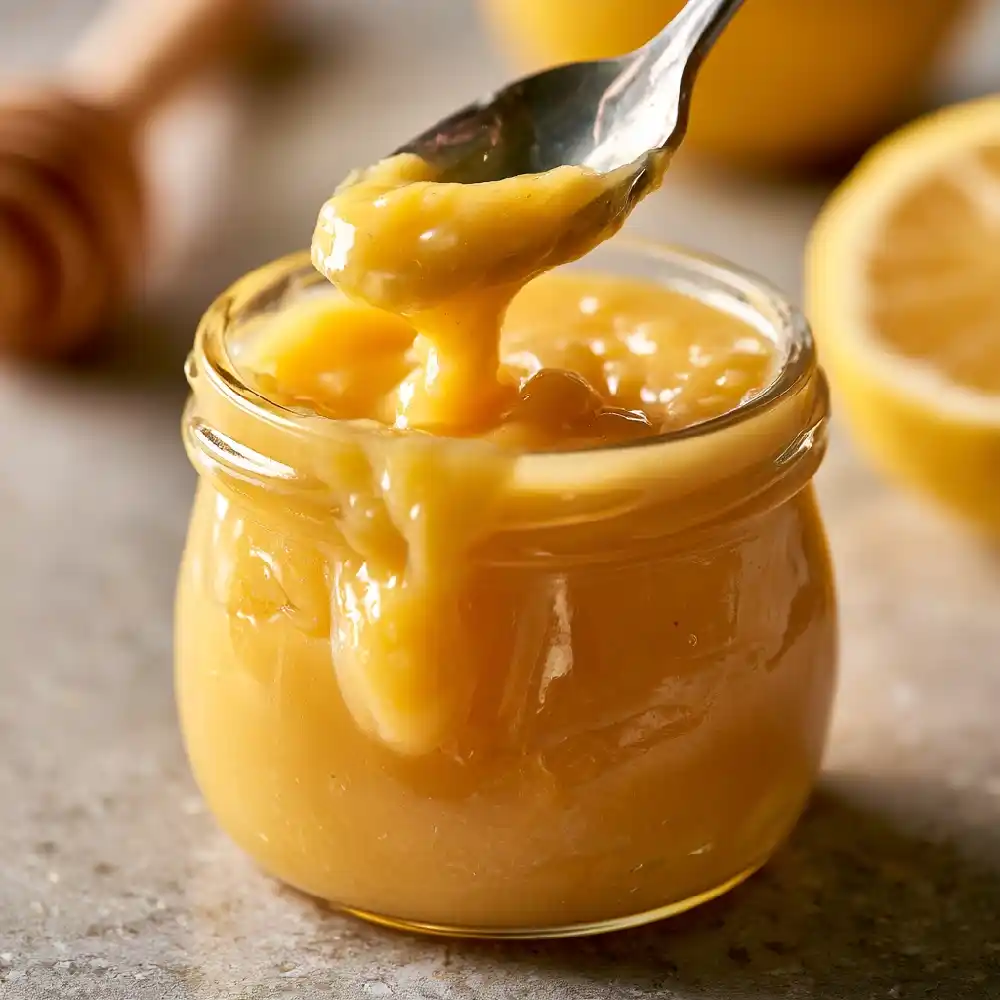
The warm curd should coat the back of a spoon, rather than pour like lemon juice. A thermometer reading of 170°F (77°C) gives you another way to check. It will become thicker after several hours in the refrigerator, so do not wait for it to feel like cold jam in the pan.
How do I store monk fruit lemon curd?
Keep it in a clean, covered jar in the refrigerator for up to 4 days. Use a clean spoon each time you serve some, and return the jar to the fridge promptly. If the texture changes or it develops an off smell, discard it.
Is this recipe dairy-free?
No, butter is part of this version and gives the curd its rich finish. You could experiment with a dairy-free butter alternative, but its water content and flavor may change the result. If you need a dependable dairy-free dessert, choose a curd recipe developed for that substitution.
Monk Fruit Lemon Curd
Ingredients
Equipment
Method
- Whisk the eggs and egg yolks together in a small saucepan until evenly combined.
- Add the powdered monk fruit baking blend, fresh lemon juice, lemon zest, and fine salt. Whisk until the mixture is smooth.
- Place the saucepan over low heat. Cook for 8 to 12 minutes, whisking continuously and scraping the bottom, edges, and corners of the pan to prevent the eggs from cooking unevenly.
- Continue cooking until the curd thickens enough to coat the back of a spoon. Check with a food thermometer and heat the mixture to 170°F (77°C), avoiding a boil.
- Remove the saucepan from the heat. Whisk in the butter pieces a few at a time until each addition melts and the curd becomes smooth and glossy.
- Pour the warm curd through a fine-mesh sieve into a heatproof bowl to remove zest, any small cooked egg pieces, or other lumps.
- Transfer the strained curd to a clean glass jar. Cover the surface to help prevent a skin from forming, then cover the jar and refrigerate until thoroughly chilled and thickened.
- Serve chilled on plain Greek yogurt, unsweetened coconut yogurt, low-carb toast, pancakes, waffles, cake, cheesecake, or fresh berries.
Notes
A Little Jar of Brightness
I like keeping this curd near the front of the fridge, where it is easy to spot on a sleepy morning. A spoonful can wake up a plain bowl of yogurt or make a simple cake feel dressed for dessert. The lemon tastes lively, and the slow stirring always feels worth it. That little jar rarely lasts long in my kitchen.