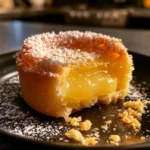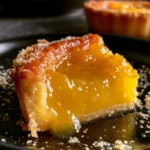
A Timeless Heirloom Spread
There is a certain magic in preparing a recipe that has been handed down through generations. I remember finding this traditional method scrawled on a faded index card in my grandmother’s recipe box.
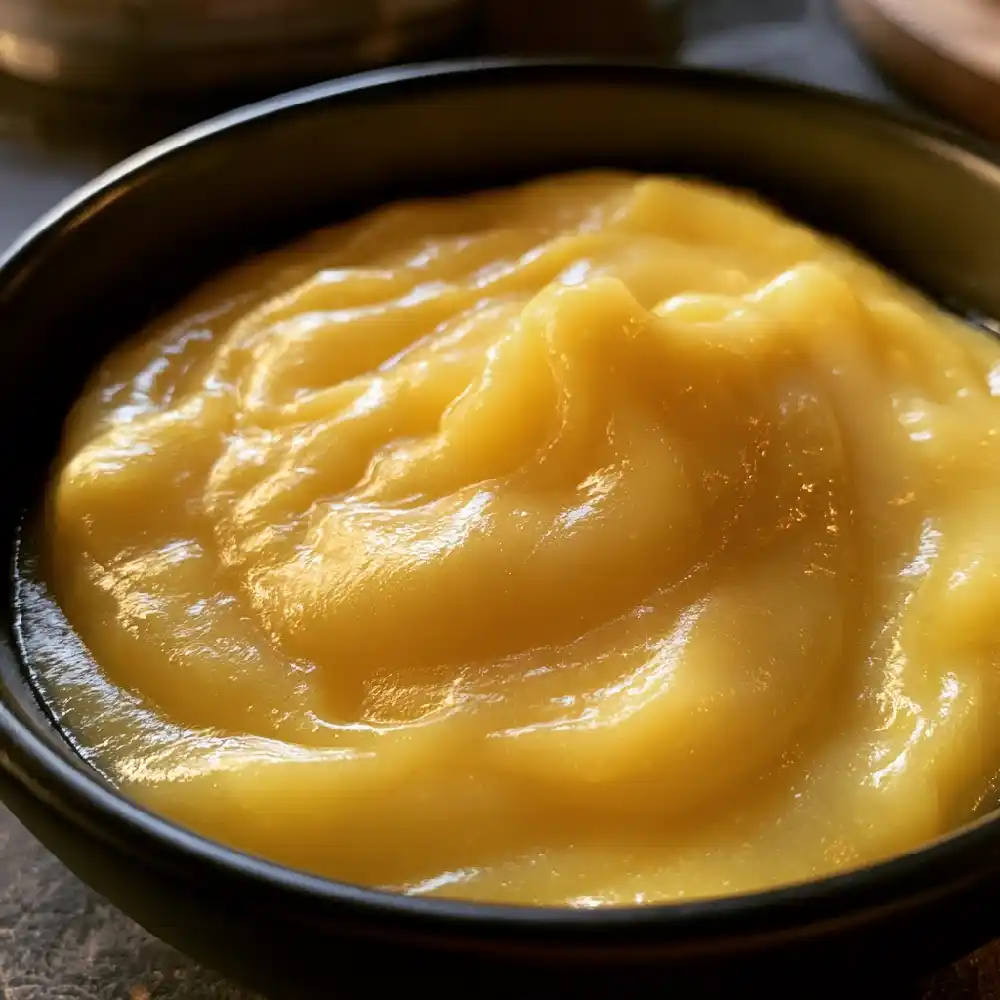
It used whole eggs instead of just yolks and was cooked entirely in a single saucepan, relying on a watchful eye and a steady hand. Mastering this old world Lemon curd recipe felt like keeping a beautiful family tradition alive. It yields a vibrantly yellow, delightfully tart spread that is the perfect foundation for so many classic lemon desserts.
Why This Classic Method is Unbeatable
You are going to absolutely love this recipe because it produces a deeply authentic flavor and texture. Here is why this traditional approach is worth your time:
- The Whole Egg Difference: Using whole eggs creates a slightly firmer, more gel like set that is perfect for slicing when used in tarts.
- One Pot Wonder: This method uses a single saucepan directly on the heat, skipping the fuss of a double boiler.
- Intense Citrus Punch: Because the zest is cooked directly into the mixture and strained later, the lemon flavor is incredibly pronounced and robust.
Everything You Need
- 3 large whole eggs: Room temperature. They provide the structure and volume for the spread.
- 1 cup granulated sugar: A generous amount is needed to balance the high acidity of the whole eggs and the lemon juice.
- 1/2 cup fresh lemon juice: Absolutely essential to use freshly squeezed juice for that authentic tartness.
- 2 tablespoons fresh lemon zest: Zest your lemons before juicing them to capture all those aromatic oils.
- 1/2 cup (1 stick) unsalted butter: Cut into cubes. Cold butter is key here to help the mixture thicken properly off the heat.
- 1/8 teaspoon salt: To round out the sweetness and the sharp citrus notes.
Crafting Your Curd
- STEP 1In a heavy bottomed, non reactive saucepan (stainless steel or enamel), vigorously whisk together the whole eggs, granulated sugar, and salt until the mixture is pale and smooth.
- STEP 2Whisk in the fresh lemon juice and the fresh lemon zest until thoroughly combined.
- STEP 3Place the saucepan over medium low heat. Whisk continuously. Do not walk away or stop stirring, or the eggs will cook too quickly on the bottom of the pan.
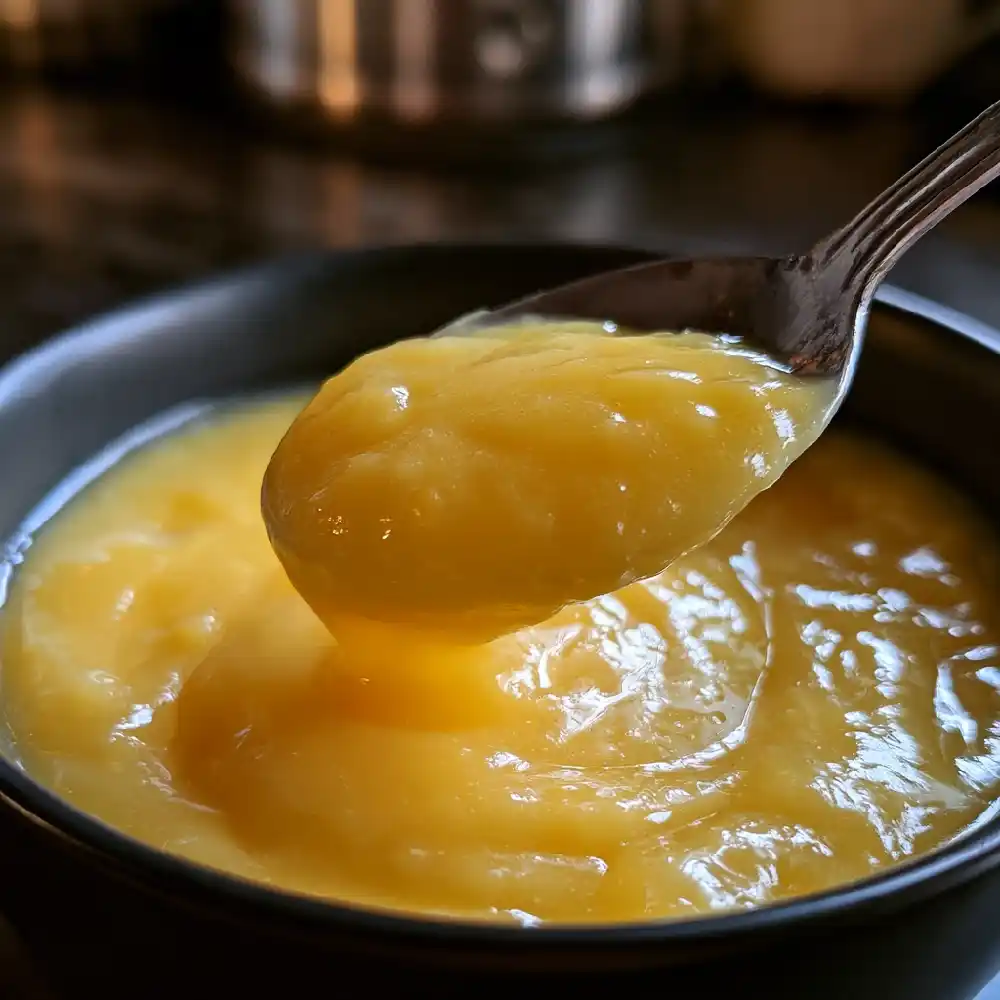
- STEP 4Continue whisking steadily for 8 to 10 minutes. The mixture will begin to froth, and then slowly thicken. It is ready when it heavily coats the back of a spoon and leaves a clear path when you swipe your finger through it (about 170 degrees Fahrenheit).
- STEP 5Immediately remove the saucepan from the heat. Add the cubes of cold butter all at once.
- STEP 6Whisk gently but constantly until the butter is completely melted and the mixture is glossy and smooth. The cold butter will rapidly drop the temperature of the curd, stopping the cooking process.
- STEP 7Push the warm mixture through a fine mesh strainer into a clean glass jar or bowl to remove the zest and any cooked egg white pieces. Press plastic wrap directly onto the surface and chill in the refrigerator for at least 3 hours to set completely.
Fun Twists and Serving Ideas
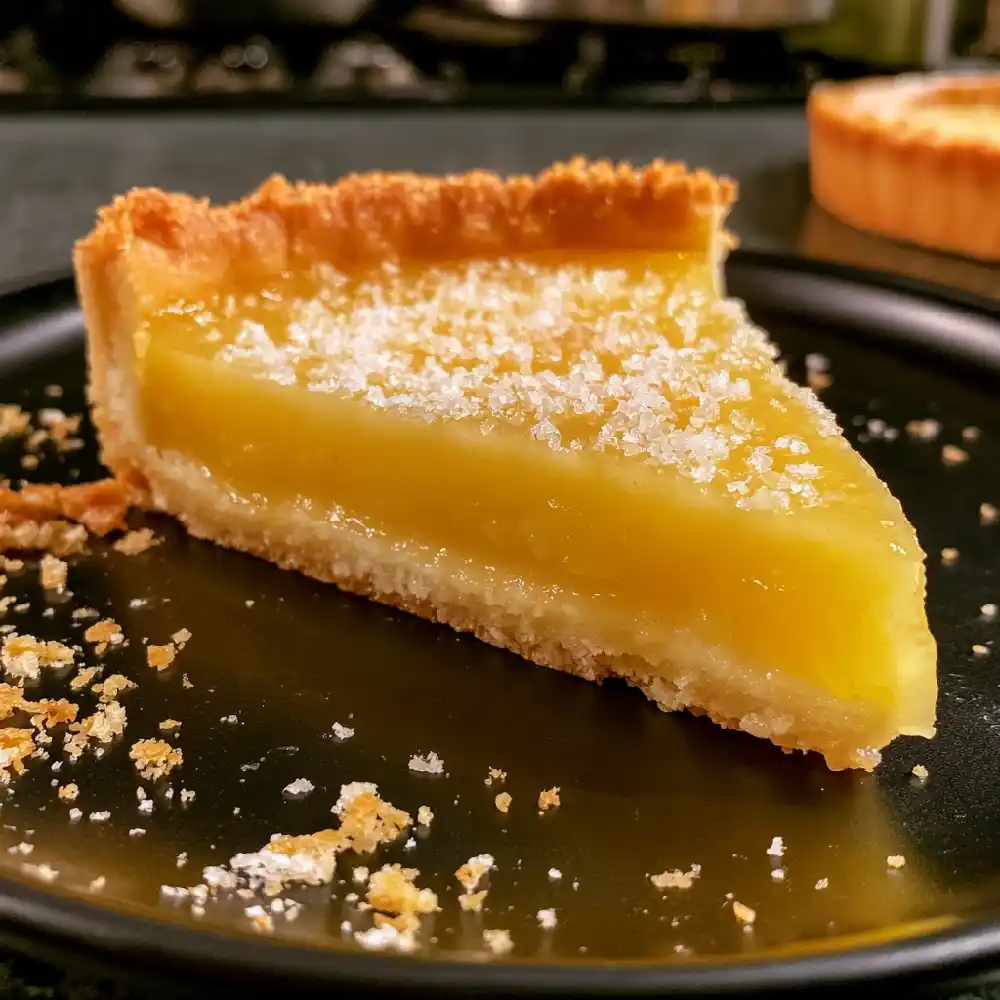
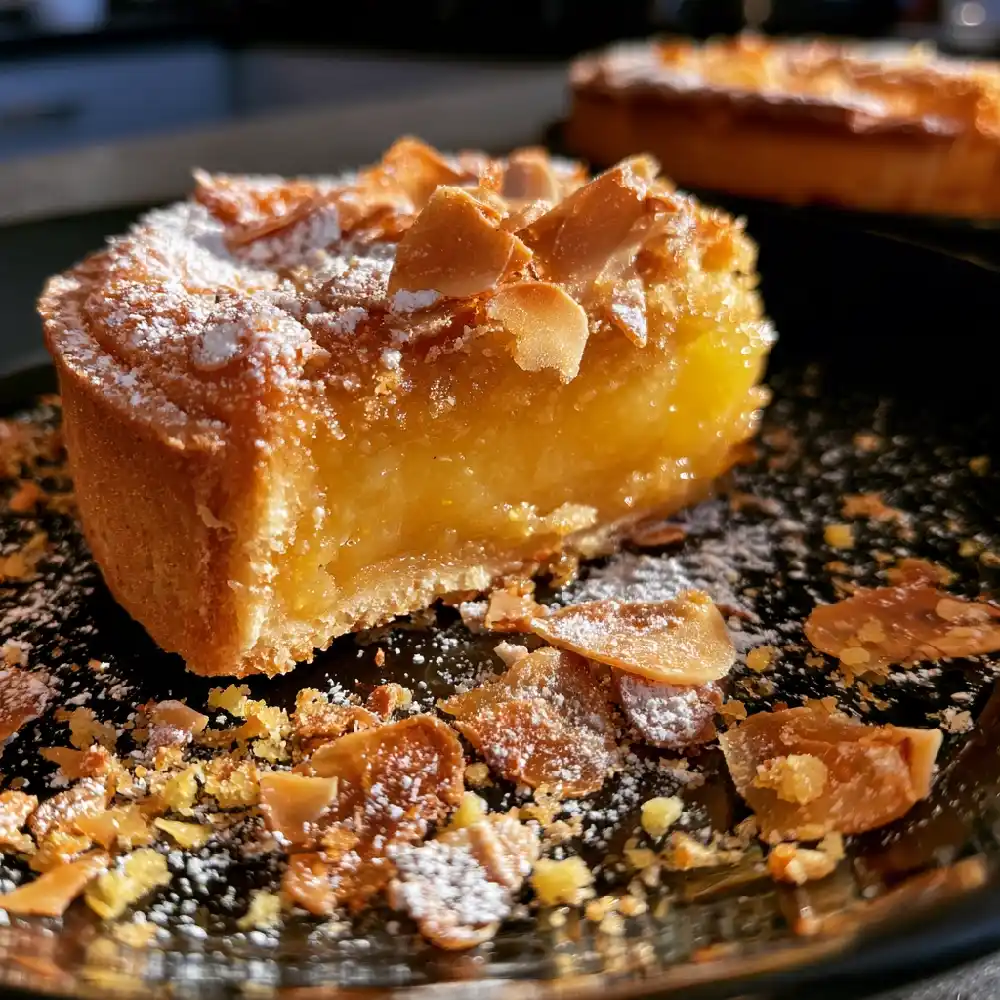
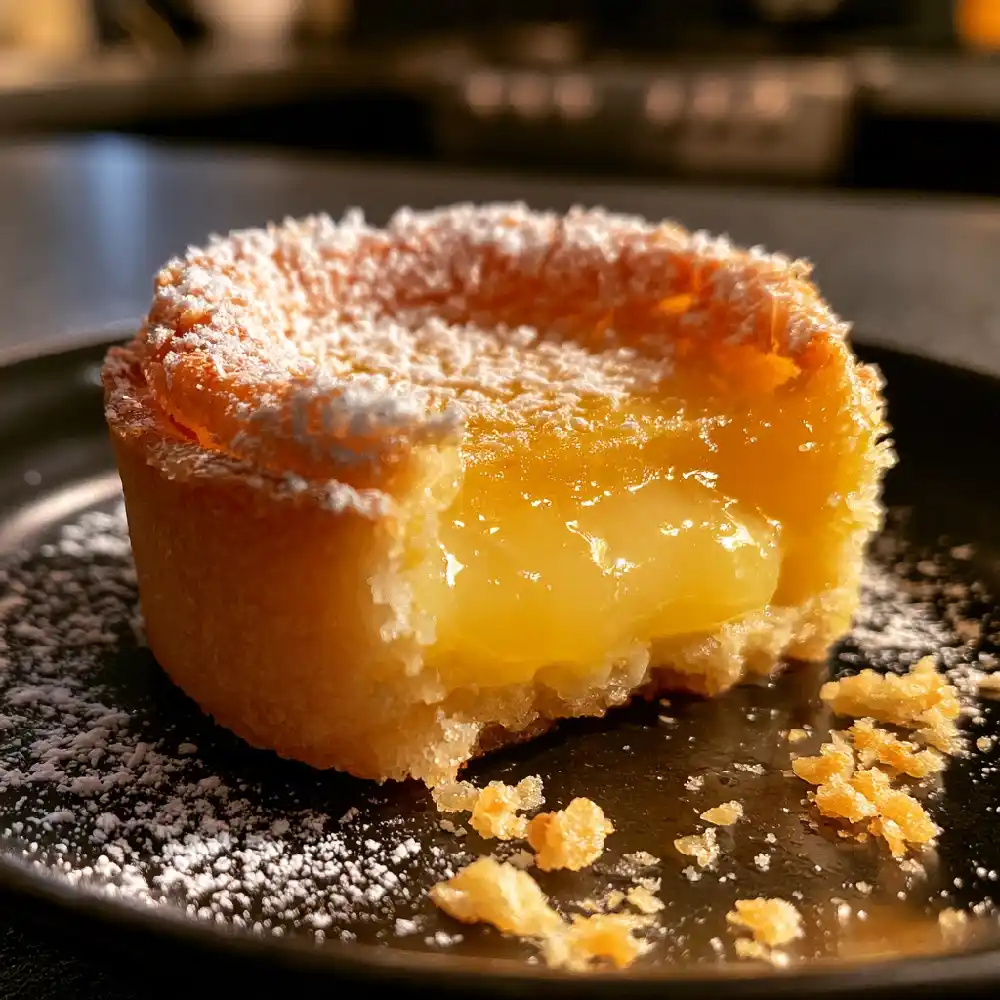
- Classic Tart Filling: This firmer set is the absolute perfect filling for a blind baked shortbread tart shell.
- The Ultimate Teatime: Serve it traditionally in a small crystal bowl alongside warm English scones and clotted cream.
- Cake Layering: Use it as a sturdy, tart layer between thick slabs of classic Lemon curd cake.
- Thumbprint Center: Because it holds its shape beautifully, it is the ideal filling to dollop into the center of warm Lemon curd cookies.
Pro Tips
- Heavy Bottomed Pan: This is non negotiable when cooking directly on the stove. A thin pan will transfer heat too quickly and scramble your eggs.
- Keep the Heat Low: Patience is your best friend here. Medium low heat ensures the eggs cook gently and thicken into a smooth custard rather than turning into an omelet.
- Cold Butter is Crucial: Adding cold butter off the heat serves two purposes: it creates a beautiful emulsion for a glossy finish, and it rapidly cools the mixture so it doesn’t overcook.
- Strain Immediately: Strain the mixture while it is still piping hot. Once it begins to cool and set, pushing it through a sieve becomes incredibly difficult.
- Whisk the Corners: When stirring the mixture on the stove, make sure your whisk is reaching into the corners of the saucepan where the eggs tend to stick and cook fastest.
Authentic Traditional Lemon Curd
Ingredients
Equipment
Method
- In a heavy-bottomed, non-reactive saucepan made of stainless steel or enamel, vigorously whisk together the whole eggs, granulated sugar, and salt until pale and smooth.
- Whisk in the fresh lemon juice and lemon zest until thoroughly combined.
- Place the saucepan over medium-low heat. Whisk continuously, making sure to reach into the corners and along the bottom of the pan so the eggs do not cook too quickly or stick.
- Continue whisking steadily for 8 to 10 minutes, until the mixture thickens enough to heavily coat the back of a spoon and a finger drawn through it leaves a clear path. The curd should reach about 170°F (77°C). Do not allow it to boil.
- Immediately remove the saucepan from the heat and add all the cold butter cubes.
- Whisk gently but continuously until the butter has completely melted and the curd is glossy and smooth.
- Immediately pour the warm curd through a fine mesh strainer into a clean glass jar or bowl, pressing gently with a spatula to remove the zest and any small cooked egg pieces. Press plastic wrap directly onto the surface and refrigerate for at least 3 hours, until completely chilled and set.
Notes
FAQs
How long will this traditional recipe last in the fridge? Stored in a sterilized, airtight jar, it will keep beautifully in the refrigerator for up to 2 weeks.
Why did my mixture curdle on the stove? This happens if the heat was too high or if you stopped whisking. The eggs cooked too fast and separated from the liquid.
Can I save curdled curd? Sometimes! If it is only slightly lumpy, immediately take it off the heat and blend it carefully with an immersion blender before straining it. If it looks like a fully scrambled egg, you unfortunately need to start over.
Is it necessary to use a non-reactive saucepan? Yes. If you use aluminum or unlined copper, the acid in the lemons will react with the metal, turning the mixture a dull gray color and giving it a metallic taste.
Can I can this recipe in a water bath to make it shelf stable? No. Because it contains butter and eggs, it cannot be safely canned using standard home water bath methods. It must be stored in the refrigerator or freezer.
A Cozy Wrap Up
This Authentic Traditional Lemon Curd Recipe is a beautiful nod to the past, relying on simple ingredients and a bit of patience to create something truly spectacular. Its robust flavor and firm, classic texture make it a versatile favorite for all your baking projects. I hope you enjoy the quiet, rhythmic process of making this timeless spread in your own kitchen.