The Dessert That Waited in the Fridge
I made this lemon mousse for a dinner when I wanted dessert finished well before the guests arrived. As I grated the zest, the kitchen filled with a bright, fresh scent. Later, all I had to do was bring the chilled glasses to the table.
Why Each Spoonful Feels Special
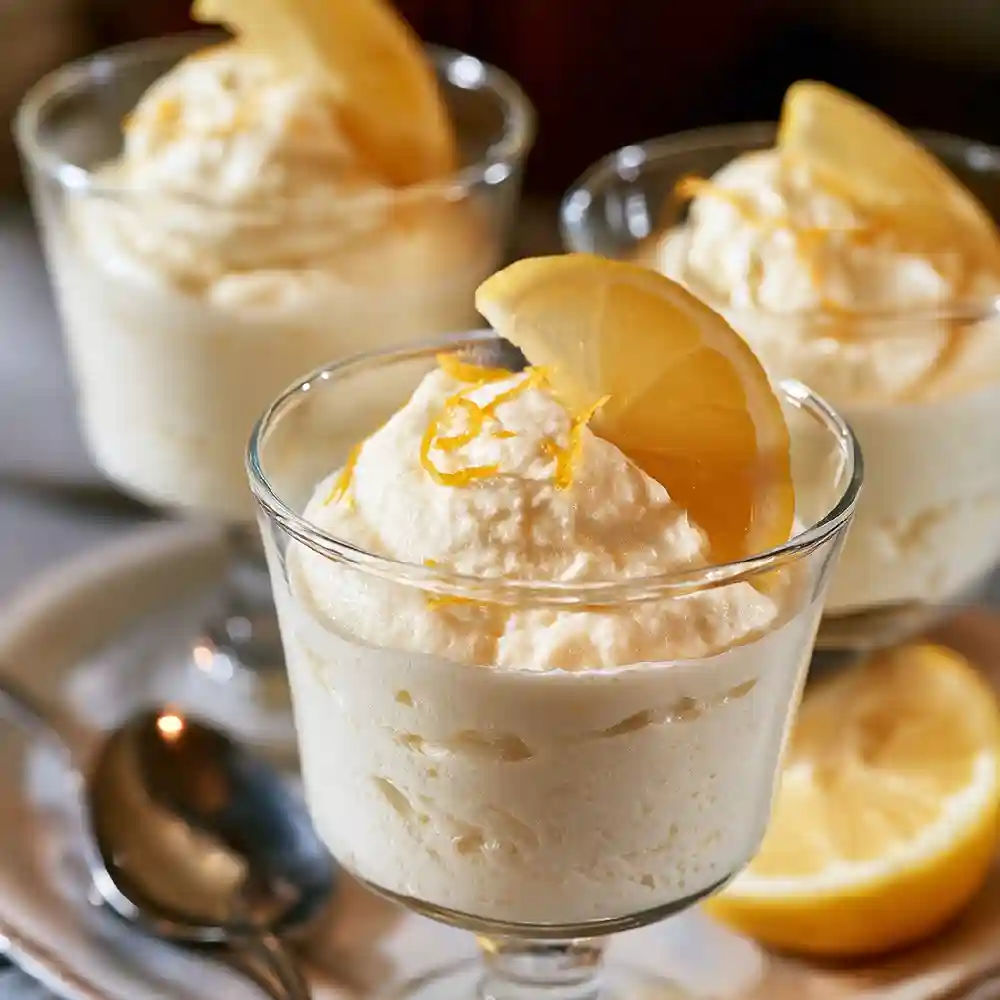
This sugar-free lemon mousse is airy, creamy, and gently tart. Powdered erythritol sweetens it without added sugar, while a little gelatin helps the whipped filling hold its shape. I like serving it in small glasses so everyone gets their own soft, lemony finish.
What Goes Into the Glasses
- 1 teaspoon unflavored powdered gelatin
- 1 tablespoon cold water
- 4 ounces full-fat cream cheese, softened
- 1/3 cup powdered erythritol
- 3 tablespoons fresh lemon juice
- 1 tablespoon finely grated lemon zest
- 1/2 teaspoon vanilla extract
- 1/8 teaspoon fine salt
- 1 1/2 cups cold heavy whipping cream
Whip It into Something Light
- Sprinkle the gelatin over the cold water.
- Let it bloom for 5 minutes.
- Beat the cream cheese and powdered erythritol until smooth.
- Beat in the lemon juice, zest, vanilla, and salt.
- Warm the bloomed gelatin briefly until liquid.
- Whisk the liquid gelatin into the lemon mixture.
- Whip the cold heavy cream to medium peaks in a separate bowl.
- Stir one-third of the whipped cream into the lemon mixture.
- Gently fold in the remaining whipped cream.
- Divide between six small dessert glasses.
- Cover and refrigerate for at least 3 hours.
Little Finishes for Each Glass
- Add a few fresh raspberries.
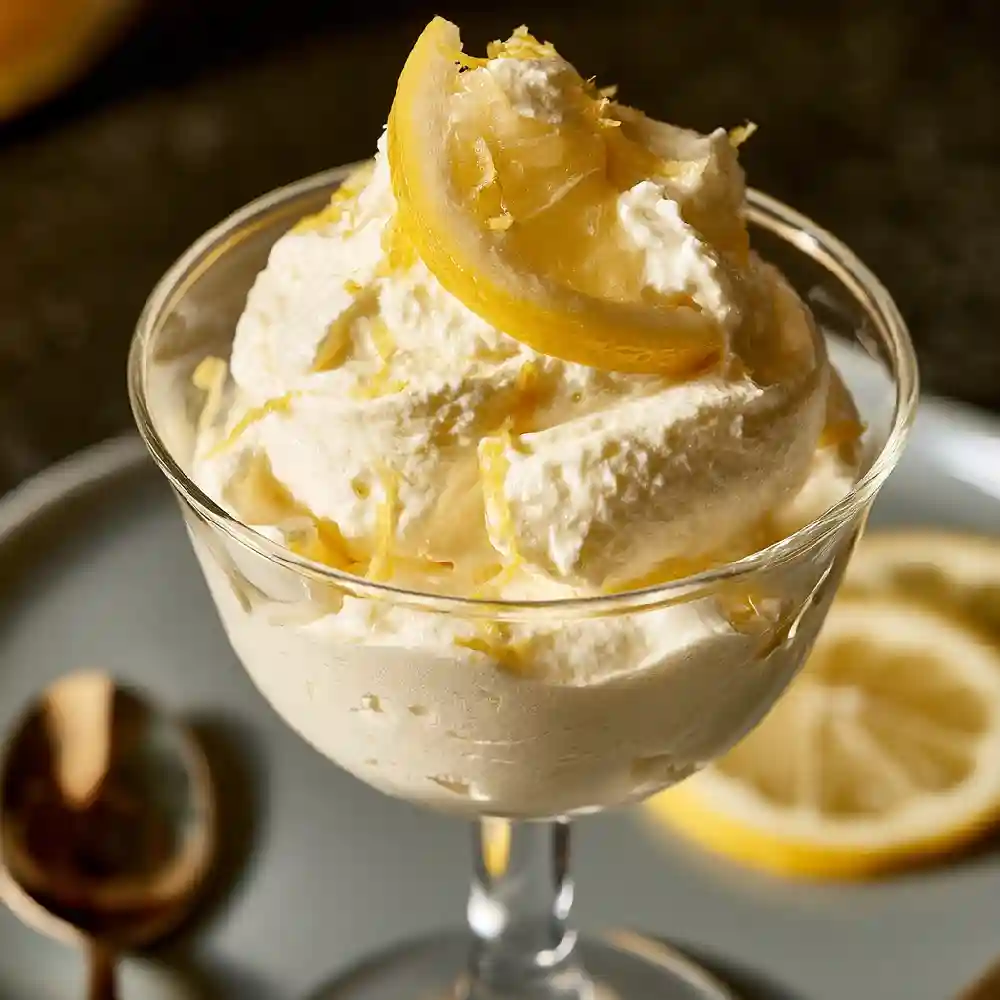
- Sprinkle with extra lemon zest.
- Top with sliced strawberries.
- Add a spoonful of unsweetened whipped cream.
- Scatter a few toasted almond pieces over the top.
- Serve with an almond-flour cookie.
- Use small teacups instead of glasses.
- Add a pinch of finely grated ginger.
- Keep the top plain and smooth.
- Serve straight from the refrigerator.
Pro Tips
- Use powdered erythritol rather than granulated. The finer texture blends into the cream cheese more easily, though erythritol may still become slightly grainy after chilling.
- Let the gelatin bloom before warming it. Dry grains added directly to the mousse can leave little lumps instead of setting the filling evenly.
- Warm the gelatin only until it turns liquid, then mix it into the lemon base promptly. If it cools and firms up in the bowl, it will be harder to distribute.
- Soften the cream cheese but keep the whipping cream cold. Each ingredient has a different job: smooth cream cheese makes the base, while cold cream provides the airy lift.
- Whip the cream to medium peaks. It should hold a soft shape and still fold easily into the thicker lemon mixture.
- Add toppings just before serving. Fresh berries look and taste best when their juices have not had time to run into the mousse.
FAQs
Is this mousse completely sugar-free?
It contains no added sugar when made with plain dairy products and a sugar-free erythritol. Cream cheese and heavy cream may contain small amounts of naturally occurring sugar. Check the labels you use if you need to track sugar or carbohydrates precisely.
Can I leave out the gelatin?
You can try it, but the mousse will be softer and less dependable as a make-ahead dessert. The small amount of gelatin helps it hold its shape in the serving glasses. Without it, serve the mousse well chilled and expect more of a fluffy cream texture.
Why does my mousse taste grainy?
Erythritol can recrystallize as it chills, even if it seemed smooth when mixed. Powdering it finely can help, but it may not remove the effect completely. If you are especially sensitive to that texture, a different sweetener may suit you better.
Can I make this mousse ahead of time?
Yes, make it the day before and keep the glasses covered in the refrigerator. The chilling time allows the mousse to set, so preparing it ahead is convenient. Wait until serving to add fruit, nuts, or cookies.
How should I store leftovers?
Cover the glasses and refrigerate them for up to 3 days. Keep any crunchy toppings separately so they do not soften. I would not freeze this mousse, since thawing can change its light, creamy texture.
Sugar-Free Lemon Mousse with Erythritol
Ingredients
Equipment
Method
- Sprinkle the powdered gelatin evenly over the cold water in a small bowl. Let it stand for 5 minutes to bloom.
- In a mixing bowl, beat the softened cream cheese and powdered erythritol until smooth and creamy, scraping down the sides as needed.
- Beat in the fresh lemon juice, finely grated lemon zest, vanilla extract, and salt until the mixture is evenly combined.
- Warm the bloomed gelatin briefly in a microwave-safe bowl or over gentle heat until it becomes completely liquid. Do not boil it.
- Whisk the liquid gelatin into the lemon cream cheese mixture promptly, mixing thoroughly so it is evenly distributed.
- In a separate chilled bowl, whip the cold heavy cream until medium peaks form. The cream should hold a soft shape but remain easy to fold.
- Stir about one-third of the whipped cream into the lemon mixture to lighten it.
- Gently fold in the remaining whipped cream with a spatula until no large streaks remain, taking care not to deflate the mixture.
- Divide the mousse evenly among six small dessert glasses. Smooth the tops if desired.
- Cover the glasses and refrigerate for at least 3 hours, or until the mousse is thoroughly chilled and set.
- Serve cold, adding fresh raspberries, sliced strawberries, extra lemon zest, toasted almonds, or unsweetened whipped cream just before serving.
Notes
The Last Lemon Spoonful
I love a dessert that lets me sit down with everyone instead of staying busy in the kitchen. These little glasses are ready when we are, cool and bright after dinner. The mousse is rich enough to feel like a treat, but the lemon keeps each bite lively. I usually find myself scraping up the very last spoonful.