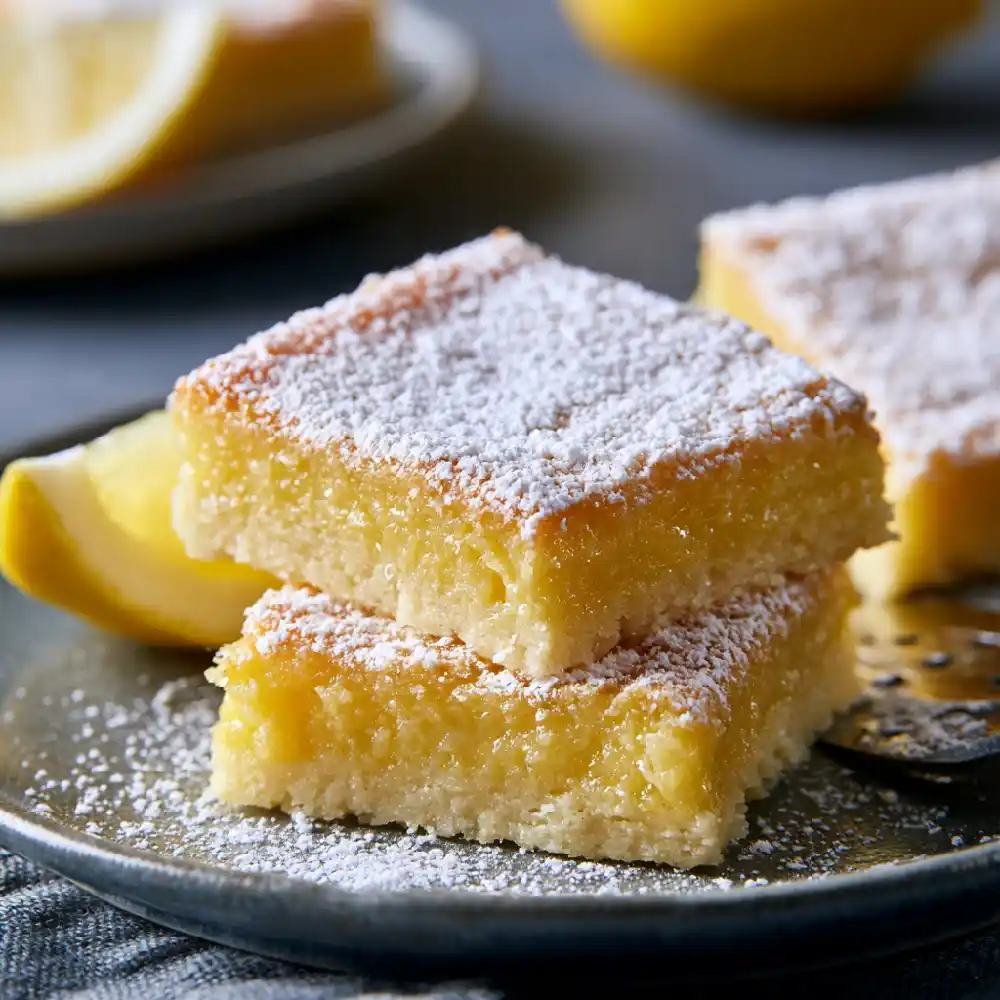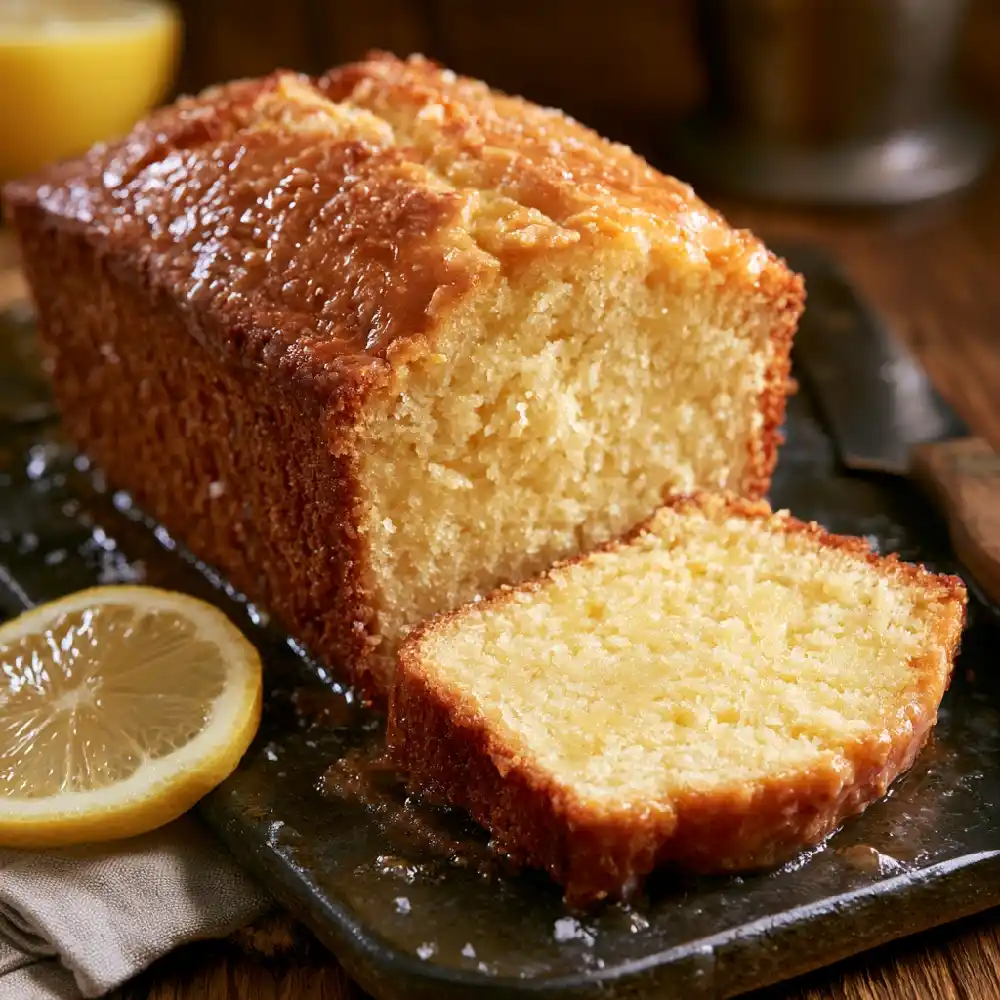
A Bright Little Loaf
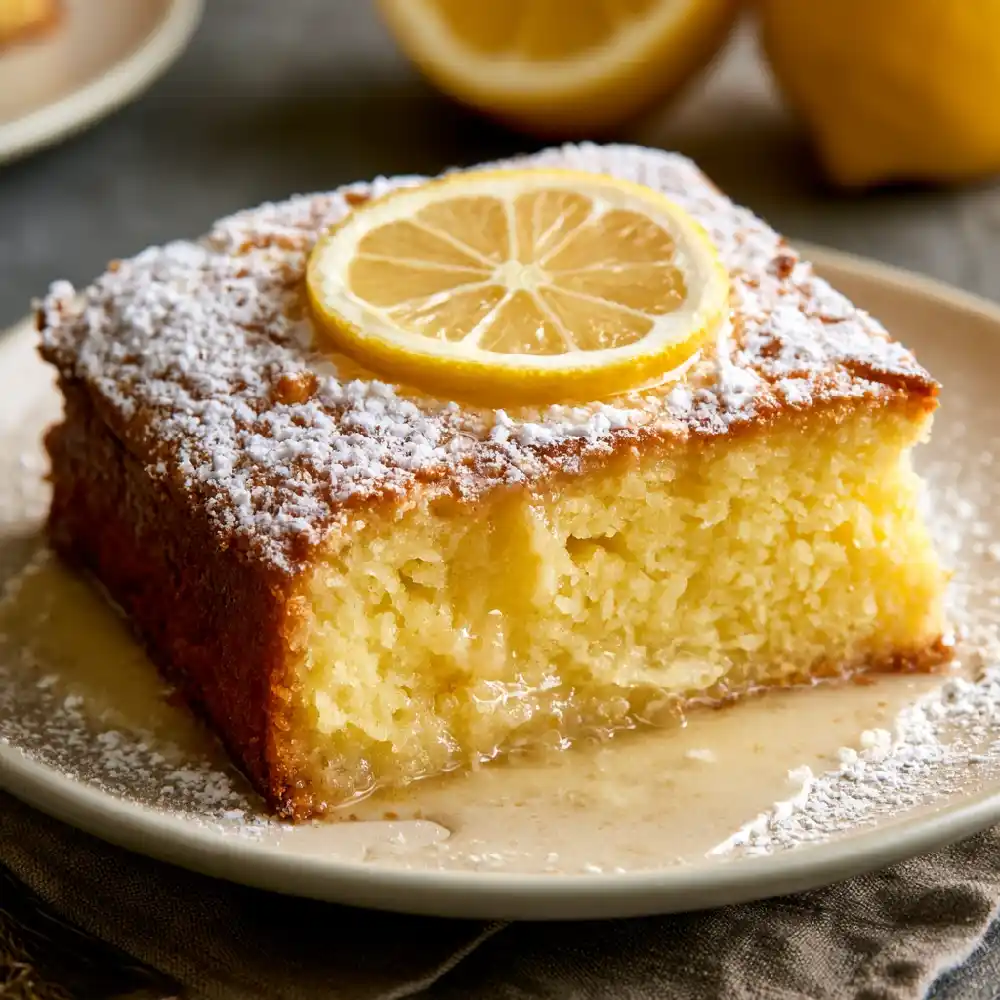
I make this gluten-free lemon cake with coconut flour when I want a simple dessert that still feels special. Fresh lemon zest fills the kitchen as I mix the batter, and the finished loaf has a soft, close crumb that slices beautifully once cool. Coconut flour brings a gentle flavor of its own, but lemon stays at the center of every bite.
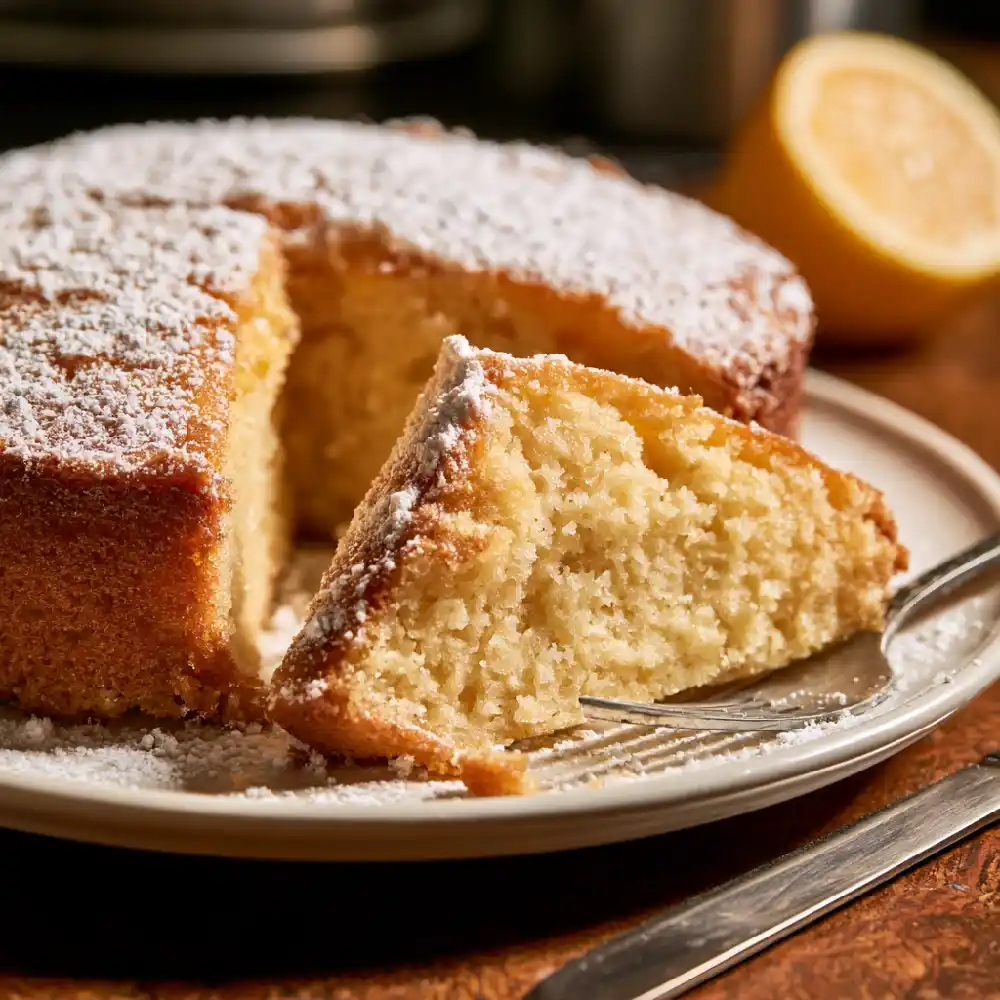
This is a small cake for afternoon tea, a weekend brunch, or a quiet dessert after dinner. I usually leave it plain or add a dusting of powdered sugar. If berries are in season, I put a few alongside each slice rather than covering up the cake.
What Goes Into the Cake
Coconut flour absorbs a great deal of liquid, so this lemon coconut flour cake uses more eggs than a typical small loaf. They help give it structure and keep the crumb tender. The batter also needs a short rest before baking so the flour can absorb the liquid evenly.
For one 8-by-4-inch loaf, gather:
- 1/2 cup coconut flour
- 1 teaspoon gluten-free baking powder
- 1/4 teaspoon fine salt
- 4 large eggs
- 1/2 cup granulated sugar
- 1/3 cup neutral oil
- 1/4 cup unsweetened milk or dairy-free milk
- 1/4 cup fresh lemon juice
- 1 tablespoon finely grated lemon zest
- 1 teaspoon vanilla extract
- Powdered sugar, optional, for serving
Fresh lemon juice and zest do different jobs here. The juice gives the cake its tang, while the zest adds a fragrant lemon flavor without thinning the batter. I zest the lemon before cutting it, then measure the juice so the balance stays the same each time I bake the loaf.
How to Bake It
- Heat the oven to 350°F (175°C). Lightly grease an 8-by-4-inch loaf pan and line it with parchment paper, leaving enough overhang to lift out the cake.
- Whisk the coconut flour, gluten-free baking powder, and salt in a small bowl. Break up any visible lumps in the flour.
- In a large bowl, whisk the eggs and sugar until thoroughly combined. Add the oil, milk, lemon juice, lemon zest, and vanilla, then whisk again.
- Add the dry ingredients to the wet ingredients. Stir until the batter is smooth and no dry patches remain.
- Let the batter stand for 5 minutes. It will thicken noticeably as the coconut flour absorbs the liquid.
- Spread the batter evenly in the prepared loaf pan and smooth the top.
- Bake for 35 to 45 minutes. The top should be lightly golden, and a toothpick inserted in the center should come out clean.
- Cool the cake in the pan for 15 minutes. Lift it onto a wire rack and let it cool completely before slicing. Dust with powdered sugar just before serving, if you like.
The batter for this gluten-free coconut flour cake will not look quite like ordinary wheat-flour cake batter. Its five-minute rest matters: give it that time before deciding whether it seems too thin. Avoid adding extra coconut flour, which can turn a tender loaf dry.
Ways to Serve a Slice
I like this cake best when its lemon flavor gets room to shine. A simple topping or something fresh on the side is plenty.
- Serve with raspberries, blueberries, or sliced strawberries.
- Add a spoonful of plain yogurt for a brunch plate.
- Spoon a little lemon curd over a slice when you want a richer dessert.
- Dust the cooled loaf with powdered sugar for an easy finish.
- Pair a plain slice with hot tea or coffee.
If you choose dairy-free milk and a dairy-free topping, the cake is dairy-free as written. That makes it handy when I need a gluten-free, dairy-free lemon cake without making a separate frosting. It still contains eggs, which are important to the texture of this particular recipe.
Pro Tips for a Tender Crumb
- Measure the coconut flour with care. Spoon it into the measuring cup and level the top rather than packing it down.
- Use fresh lemons if you can. You need both zest and juice, and zest is especially important for a bright-tasting cake.
- Whisk the eggs well before adding the dry ingredients. An even mixture gives the loaf a more consistent crumb.
- Use the pan size listed. A wider pan makes a shallower cake and changes the baking time.
- Begin checking at 35 minutes, but make sure the center is baked through. Coconut-flour cakes can look set on top before the middle is ready.
- Let the loaf cool completely. Slicing while warm can make the delicate crumb break apart.
Frequently Asked Questions
Can I substitute almond flour for coconut flour?
No, not in the same amount. Coconut flour absorbs much more liquid than almond flour, so a direct swap would change both the batter and the finished cake. For an almond-flour lemon cake, use a recipe developed for almond flour.
Can I make this cake without eggs?
I would not simply replace the eggs in this recipe. They do a great deal of work in a coconut-flour cake, helping it rise and hold together. If you need an egg-free lemon cake, a recipe tested without eggs is the more dependable choice.
Why is my lemon cake dry?
Too much coconut flour or too much time in the oven can dry out the loaf. Measure the flour gently, start checking at the early end of the baking range, and remove the cake once a toothpick comes out clean. Keep it covered after it has cooled.
How do I know it is gluten-free?
The recipe contains no wheat flour, but check that your baking powder and other packaged ingredients meet your needs. If you are baking for someone with celiac disease, also use clean utensils and a clean work surface to avoid cross-contact.
How should I store leftover cake?
Keep the cooled loaf in an airtight container in the refrigerator for up to 4 days. For the best texture, let a slice sit at room temperature briefly before serving. You can also freeze individual slices, well wrapped, for up to 2 months.
Gluten-Free Lemon Cake with Coconut Flour
Ingredients
Equipment
Method
- Preheat the oven to 350°F (175°C). Lightly grease an 8-by-4-inch loaf pan and line it with parchment paper, leaving enough overhang to lift the cake out easily.
- In a small bowl, whisk together the coconut flour, gluten-free baking powder, and fine salt. Break up any visible lumps so the dry ingredients are evenly combined.
- In a large mixing bowl, whisk the eggs and granulated sugar until thoroughly combined. Add the neutral oil, milk or dairy-free milk, fresh lemon juice, lemon zest, and vanilla extract. Whisk again until smooth.
- Add the dry ingredients to the wet ingredients. Stir until the batter is smooth and no dry patches remain. Coconut flour absorbs a great deal of liquid, so the batter will be thicker than a typical wheat-flour cake batter.
- Let the batter stand for 5 minutes so the coconut flour can absorb the liquid evenly. Do not add extra flour during this rest; the batter will thicken naturally.
- Transfer the batter to the prepared loaf pan. Spread it evenly into the corners and smooth the top with a spatula.
- Bake for 35–45 minutes, checking from 35 minutes onward. The top should be lightly golden, and a toothpick inserted into the center should come out clean. If the center is still wet, continue baking and check again after a few minutes.
- Remove the loaf from the oven and let it cool in the pan for 15 minutes. Use the parchment overhang to lift it onto a wire rack, then cool completely before slicing so the delicate crumb can set.
- Once completely cool, dust the loaf with powdered sugar if desired. Slice and serve plain or alongside fresh raspberries, blueberries, sliced strawberries, or a spoonful of plain yogurt.
Notes
The Last Slice
This easy gluten-free lemon cake is the one I reach for when I want citrus flavor without a complicated finish. A few everyday ingredients become a tender little loaf, and the coconut flour gives it a character all its own. I save the last slice for a cup of tea the next afternoon.